Need a veterinarian today?
or
Urgent care is for pets who are unwell, in discomfort, are in urgent situation or are not acting like themselves and should be assessed within 24 hours.
Can wait 24-48 hours?
Wellness, routine, or general care is for pets needing vaccines, preventive care, or ongoing monitoring who can safely wait at least 24 hours.
Urgent and ongoing care in Stittsville, Kanata & West Ottawa. Unwell today? Call 343-463-8787, option 1 during clinic hours or check wait times. Stable bookings: option 2. One-off urgent visits welcome.
Abdominal Pain in Cats
Cats may show abdominal pain by hiding, sitting hunched, avoiding handling or moving less.
What this condition or finding can mean
Cats may show abdominal pain by hiding, sitting hunched, avoiding handling or moving less. Gastrointestinal, pancreatic, urinary and other diseases can overlap in appearance. A cat repeatedly visiting the litter box may be struggling to urinate rather than to pass stool.
This guide explains decisions to discuss with your veterinarian. The right plan depends on your pet’s current condition, examination and medical history.
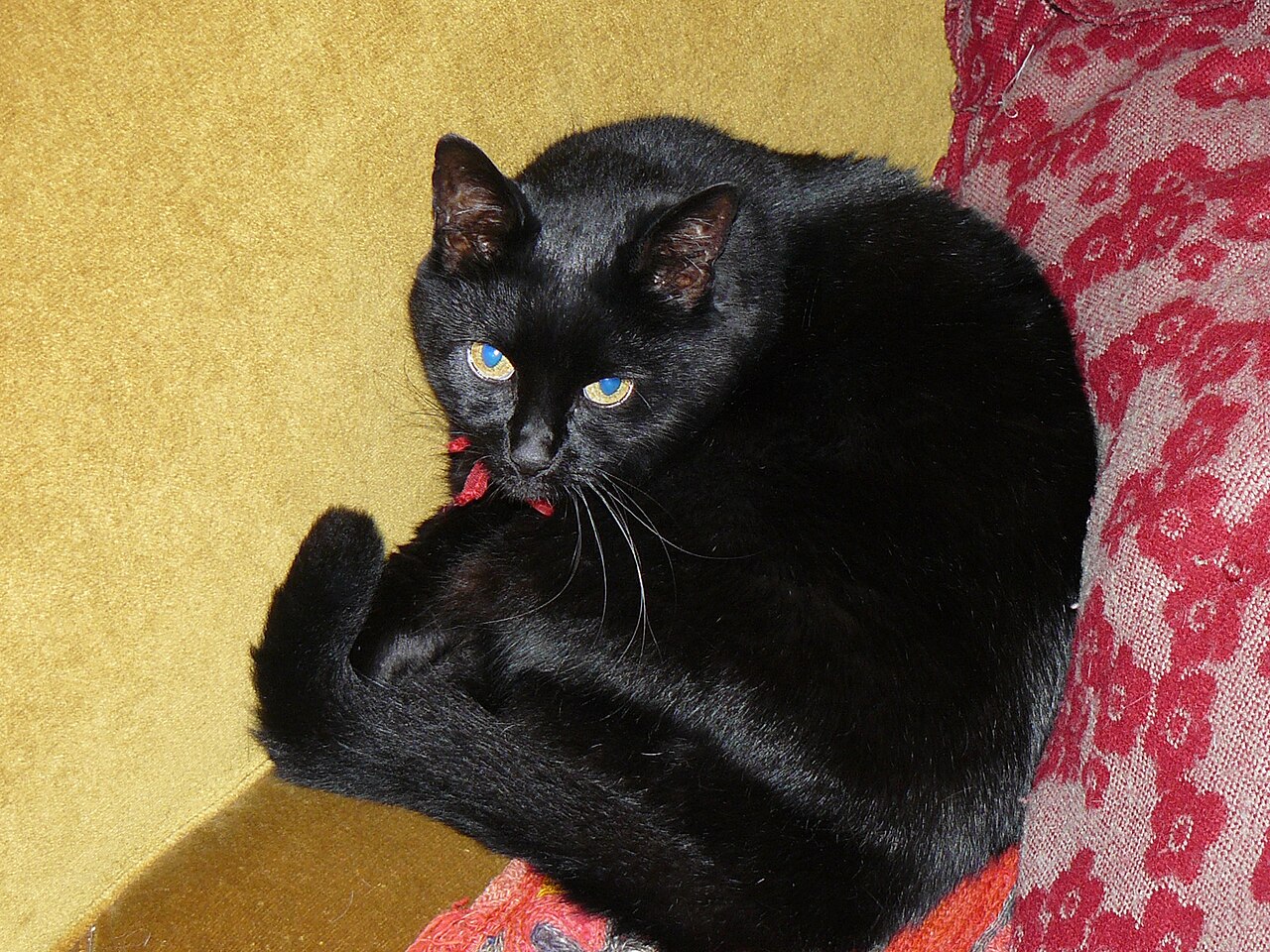
Illustrative photograph; it does not show a confirmed diagnosis or this procedure. Black cat curled up on a sofa in Newcastle upon Tyne, UK.jpg by Salwa Farwaneh Dameh — CC0. Unmodified.
Signs and situations this guide addresses
A hunched posture or unusual stillness
Hiding with reduced appetite
Vomiting or repeated unsuccessful litter-box visits
What cannot be determined online
An online guide cannot establish your pet’s diagnosis, choose a test or procedure, or replace an examination. The information below does not provide a medication or home procedure protocol.
Related symptoms and care guides
What veterinarians investigate
The examination includes hydration, circulation, abdominal comfort and the bladder. Bloodwork, urinalysis and imaging are chosen according to stability and the suspected organs involved.
How findings are interpreted
Cats can have subtle signs despite significant disease. The veterinarian combines examination findings and tests rather than attributing every painful abdomen to constipation or a hairball.
What can be misleading
Purring does not reliably exclude pain. A small amount of urine or vomit does not prove the problem is mild. Do not squeeze the abdomen or try to express the bladder.
History and changes worth reporting
Bring details of actual urine output, stool, appetite, vomiting, medication and possible string or plant exposure. If string is visible at the mouth or anus, do not pull it.
When to call urgently
A cat straining with little or no urine, especially a male cat, needs emergency attention. Collapse, breathing difficulty, pale gums, severe pain or repeated vomiting also require prompt help.
If SKVH cannot receive your pet promptly or the clinic is closed, contact an open emergency hospital. Do not wait for a routine message response when urgent signs are present.
How care decisions are made
Urinary obstruction requires a different immediate plan from constipation or intestinal disease. Stabilization and comfort come first; treatment and referral depend on the findings.
Possible complications and other explanations
Dehydration, electrolyte disturbances, obstruction, pancreatitis and leakage or bleeding within the abdomen can complicate the picture. Several problems can occur together.
Follow-up and monitoring
Ask how to monitor urine output and food intake, when the cat should be reassessed, and which signs mean the plan is no longer safe to continue at home.
Care at SKVH and next steps
SKVH combines appointment-based urgent assessment during clinic hours with wellness, diagnostics, surgery, dentistry and ongoing care for dogs and cats in Stittsville, Kanata and West Ottawa. One-off urgent visits and continuing care are both welcome.
Findings, medically appropriate options and an individual estimate are discussed before proceeding. Test and procedure availability, monitoring needs and referral are considered for the individual case; this guide does not promise every test or treatment is available in-house.
Urgent concerns: call 343-463-8787, option 1 · Live urgent-care wait times and visit information
Stable bookings and non-urgent questions: option 2 · Wellness and ongoing care · Relevant SKVH service information
Clinical background: Veterinary reference.
Frequently Asked Questions
What should I do about abdominal Pain in Cats?
Cats may show abdominal pain by hiding, sitting hunched, avoiding handling or moving less. Gastrointestinal, pancreatic, urinary and other diseases can overlap in appearance. A cat repeatedly visiting the litter box may be struggling to urinate rather than to pass stool. Urinary obstruction requires a different immediate plan from constipation or intestinal disease. Stabilization and comfort come first; treatment and referral depend on the findings.
Can the cause be diagnosed at home?
Purring does not reliably exclude pain. A small amount of urine or vomit does not prove the problem is mild. Do not squeeze the abdomen or try to express the bladder.
What information should I bring to the visit?
Bring details of actual urine output, stool, appetite, vomiting, medication and possible string or plant exposure. If string is visible at the mouth or anus, do not pull it.
When should I seek urgent help rather than wait?
A cat straining with little or no urine, especially a male cat, needs emergency attention. Collapse, breathing difficulty, pale gums, severe pain or repeated vomiting also require prompt help.
What follow-up questions should I ask?
Ask how to monitor urine output and food intake, when the cat should be reassessed, and which signs mean the plan is no longer safe to continue at home.