Need a veterinarian today?
or
Urgent care is for pets who are unwell, in discomfort, are in urgent situation or are not acting like themselves and should be assessed within 24 hours.
Can wait 24-48 hours?
Wellness, routine, or general care is for pets needing vaccines, preventive care, or ongoing monitoring who can safely wait at least 24 hours.
Urgent and ongoing care in Stittsville, Kanata & West Ottawa. Unwell today? Call 343-463-8787, option 1 during clinic hours or check wait times. Stable bookings: option 2. One-off urgent visits welcome.
Anaemia Follow-Up for Dogs and Cats
Anaemia recovery needs objective assessment as well as observations of energy and appetite.
Overview and the key decision
Anaemia recovery needs objective assessment as well as observations of energy and appetite. A more active pet may still have low red-cell numbers or an unresolved cause.
This guide explains decisions to discuss with your veterinarian. The right plan depends on your pet’s current condition, examination and medical history.
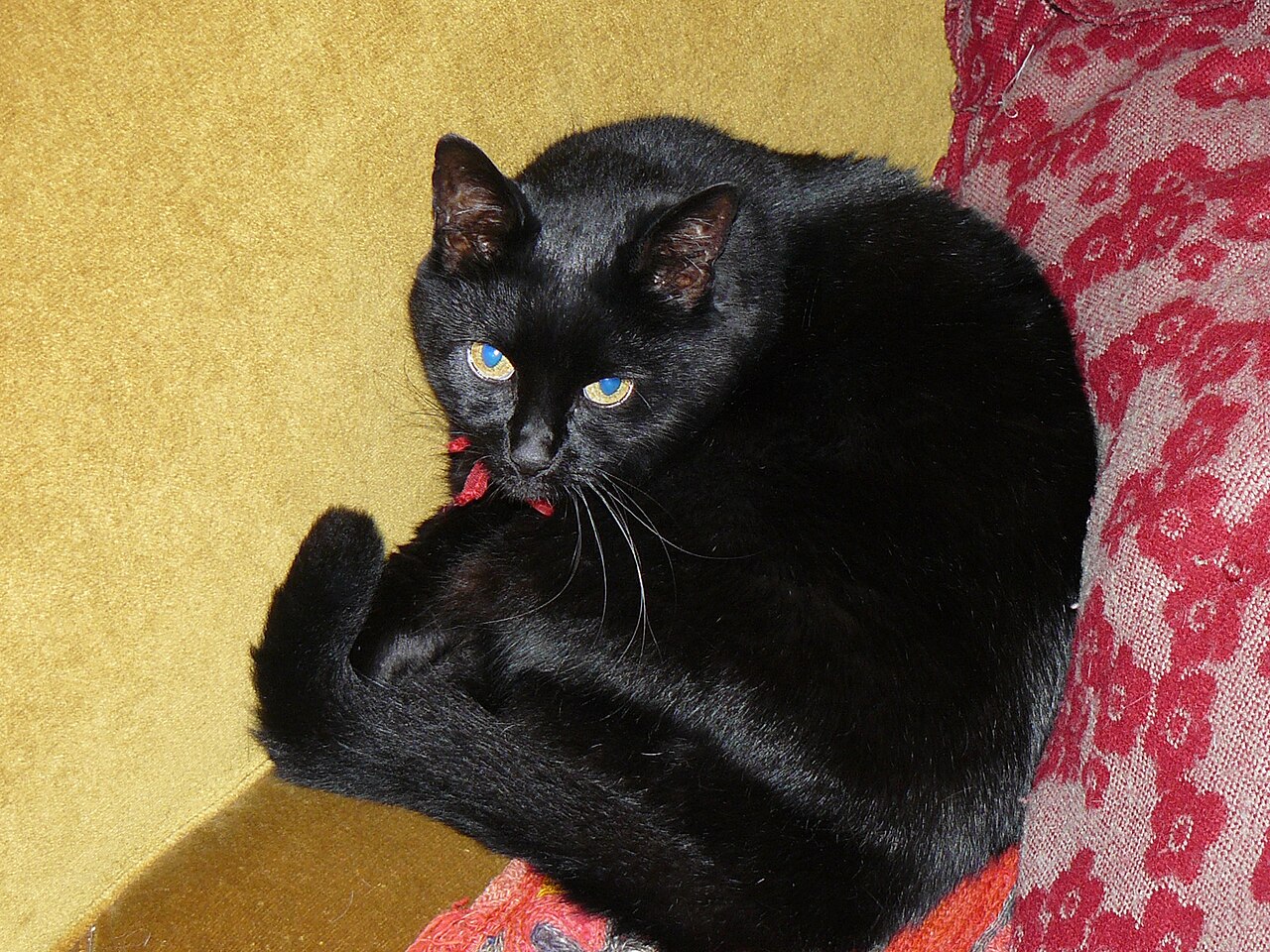
Illustrative photograph; it does not show a confirmed diagnosis or this procedure. Black cat curled up on a sofa in Newcastle upon Tyne, UK.jpg by Salwa Farwaneh Dameh — CC0. Unmodified.
When this guide is useful
Known anaemia
A post-treatment blood check
A change in stamina
What this guide cannot determine
An online guide cannot establish your pet’s diagnosis, choose a test or procedure, or replace an examination. The information below does not provide a medication or home procedure protocol.
Related symptoms and care guides
What to monitor between visits
The veterinarian reviews the blood count, regenerative response and the investigation or treatment of the cause.
What the changes may mean
Trends help distinguish recovery, persistence and recurrence.
Why appearance alone can mislead
Energy alone cannot quantify anaemia or establish that bleeding or red-cell destruction has stopped.
What to record before calling
Bring medicine details and record appetite, gum changes, dark stool or urine and activity tolerance.
When to call urgently
Pale gums, rapid or difficult breathing, collapse or profound weakness is urgent.
If SKVH cannot receive your pet promptly or the clinic is closed, contact an open emergency hospital. Do not wait for a routine message response when urgent signs are present.
How follow-up is assessed
Monitoring is tailored to severity, cause and any transfusion or immune-directed treatment.
Risks and alternative explanations
Reducing treatment or skipping checks because the pet seems brighter can miss relapse.
The next review and escalation plan
Ask which laboratory trend matters and when the next assessment should occur.
Care at SKVH and next steps
SKVH combines appointment-based urgent assessment during clinic hours with wellness, diagnostics, surgery, dentistry and ongoing care for dogs and cats in Stittsville, Kanata and West Ottawa. One-off urgent visits and continuing care are both welcome.
Findings, medically appropriate options and an individual estimate are discussed before proceeding. Test and procedure availability, monitoring needs and referral are considered for the individual case; this guide does not promise every test or treatment is available in-house.
Urgent concerns: call 343-463-8787, option 1 · Live urgent-care wait times and visit information
Stable bookings and non-urgent questions: option 2 · Wellness and ongoing care · Relevant SKVH service information
Clinical background: SKVH service information.
Frequently Asked Questions
What should I know about anaemia follow-up?
Anaemia recovery needs objective assessment as well as observations of energy and appetite. A more active pet may still have low red-cell numbers or an unresolved cause. Monitoring is tailored to severity, cause and any transfusion or immune-directed treatment.
What are the limits of anaemia follow-up?
Energy alone cannot quantify anaemia or establish that bleeding or red-cell destruction has stopped.
How should I prepare for a discussion about anaemia follow-up?
Bring medicine details and record appetite, gum changes, dark stool or urine and activity tolerance.
When should I seek urgent help rather than wait?
Pale gums, rapid or difficult breathing, collapse or profound weakness is urgent.
What follow-up questions should I ask?
Ask which laboratory trend matters and when the next assessment should occur.