Need a veterinarian today?
or
Urgent care is for pets who are unwell, in discomfort, are in urgent situation or are not acting like themselves and should be assessed within 24 hours.
Can wait 24-48 hours?
Wellness, routine, or general care is for pets needing vaccines, preventive care, or ongoing monitoring who can safely wait at least 24 hours.
This page focuses on urgent assessment. Routine wellness exams, preventive care, and monitoring of stable conditions are provided through scheduled general wellness appointments.
Cat Eye Closed or Squinting – When to See a Vet (Causes, Warning Signs, and Urgent Care)
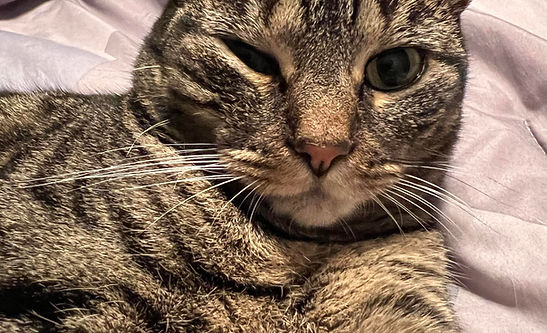
A cat keeping one eye closed or squinting — sometimes called eye pain, eye irritation, or blepharospasm — can range from mild irritation to a sign of serious eye disease affecting the cornea, eyelids, or internal eye structures.
Some cats briefly squint due to minor irritation such as dust or debris, but persistent squinting or keeping the eye closed often indicates eye pain that may require urgent care assessment.
Because eye problems can worsen quickly and may threaten vision if untreated, veterinary evaluation and diagnostic testing are often necessary to determine the underlying cause.
Definition
A cat keeping one eye closed or squinting refers to an involuntary narrowing or closure of the eyelids due to irritation or pain affecting the eye.
Veterinarians use the term blepharospasm to describe involuntary eyelid tightening caused by eye discomfort or inflammation.
The squinting reflex may occur when structures of the eye become irritated, including:
• the cornea (clear outer eye surface)
• the conjunctiva (pink tissue lining the eyelids)
• the eyelids themselves
• deeper structures within the eye
Veterinarians refer to this response as blepharospasm, which describes eyelid tightening caused by eye pain or irritation.
Cats may squint because of:
• corneal scratches or ulcers
• foreign objects in the eye
• infections
• inflammation
• trauma
• internal eye disease
Veterinary clinics in Ottawa, Kanata, and Stittsville commonly evaluate cats with squinting caused by eye injuries, infections, or corneal disease.
Who This Page Is For
This page is for cat owners noticing signs such as:
• one eye kept closed or partly closed
• squinting or blinking repeatedly
• tearing from one eye
• redness of the eye
• pawing at the eye
• light sensitivity
Who This Page Is Not For
• Cats that briefly blink or squint after waking up but return to normal eye appearance within minutes.
If the eye remains closed or squinting persists, veterinary assessment helps determine whether irritation or injury may be present.
Related Urgent Symptoms
• Cat Breathing With Mouth Open (Emergency)
• Cat Lethargic and Weak – When to Seek Emergency Care
• Cat Not Eating – Is This an Emergency?
• Dog or Cat Exposed to Smoke
• Dog or Cat Poisoned or Exposed to Toxins
• Dog or Cat Overheated – Heatstroke Warning Signs
• Dog or Cat Suddenly Weak, Lethargic, or Collapsing
• Pale Gums in Dogs or Cats (Emergency Sign)
What This Can Look Like at Home
Cats experiencing eye irritation or pain may show a range of symptoms.
Common observations include:
• keeping one eye closed
• frequent blinking or squinting
• watery discharge from the eye
• redness of the white part of the eye
• pawing or rubbing the eye
• sensitivity to light
Some cats may also appear less active or reluctant to open the affected eye fully.
Why This Can Be Hard to Judge
Eye discomfort can appear mild at first even when the underlying condition is serious.
For example:
• corneal scratches may initially cause only mild squinting
• infections may develop gradually
• deeper eye inflammation may appear subtle early on
Because different eye diseases can produce similar symptoms, veterinary examination is often necessary to determine the underlying cause.
The Improvement Trap
Eye symptoms may appear to improve temporarily even when the underlying problem remains present.
For example:
• irritation may fluctuate throughout the day
• blinking may temporarily clear debris
• inflammation may worsen over time
Temporary improvement does not always mean the underlying eye condition has resolved.
What Is Easy to Miss at Home
Subtle signs may accompany squinting.
These may include:
• slight cloudiness of the eye
• mild redness around the eyelids
• increased tearing
• sensitivity to light
These signs may indicate developing eye disease even if the cat otherwise appears comfortable.
When This Can Be an Emergency
Urgent care assessment is recommended if any of the following occur:
• the cat keeps the eye closed for several hours
• visible redness or swelling develops
• discharge becomes thick or colored
• the eye appears cloudy or blue
• the cat paws repeatedly at the eye
• squinting occurs after trauma or injury
Cat eye squinting is not always an emergency, but persistent squinting, eye pain, or visible eye changes should be assessed urgently.
How Veterinarians Assess This
Clinical signs alone cannot reliably determine severity.
Different eye diseases can produce similar symptoms, so diagnostic testing helps veterinarians determine the underlying cause and guide appropriate care.
Veterinarians may consider diagnostic tests such as:
• Fluorescein stain test — identify corneal scratches or ulcers
• Ophthalmic examination — evaluate eye structures using specialized instruments
• Eye pressure testing (tonometry) — assess glaucoma or internal eye disease
• Culture or infection testing — evaluate infections
• Imaging or advanced eye examination — assess deeper eye structures if needed
Diagnostic testing helps determine whether squinting is caused by mild irritation or more serious eye disease.
Veterinary Differentials - Serious / Must-Rule-Out First
Corneal ulcer — a scratch or erosion on the eye surface that can cause severe pain and potential vision loss.
Tests may include fluorescein staining, ophthalmic examination.
Eye trauma or injury — blunt trauma or scratches that damage the eye.
Tests may include ophthalmic examination, fluorescein stain.
Glaucoma — increased pressure within the eye that can cause pain and vision damage.
Tests may include tonometry and eye examination.
Uveitis (internal eye inflammation) — inflammation inside the eye that can lead to pain and vision impairment.
Tests may include ophthalmic examination and diagnostic testing.
Veterinary Differentials - Common / More Typical
Conjunctivitis (eye infection) — inflammation of the tissues surrounding the eye.
Tests may include eye examination and infection testing.
Foreign object in the eye — debris such as dust, grass, or hair irritating the eye surface.
Tests may include eye examination and flushing.
Allergic eye irritation — environmental irritants triggering inflammation.
Tests may include examination and evaluation of environmental factors.
Safety, Psychology, & Peace of Mind
Eye symptoms can feel alarming for pet owners because the eye is a sensitive and delicate structure.
Some causes of squinting may involve minor irritation, while others may involve corneal injury, infection, or deeper eye disease.
Veterinary assessment helps determine whether the eye problem is mild or requires treatment.
Early evaluation can also help prevent worsening eye damage and protect vision.
Frequently Asked Questions
Is a cat keeping one eye closed an emergency?
Cat eye squinting is not always an emergency, but persistent squinting or keeping the eye closed may indicate eye pain that should be assessed urgently.
Eye irritation may occur due to corneal scratches, infections, foreign objects, or internal eye disease. Veterinary examination helps determine whether the cause is mild irritation or a condition requiring treatment.
Why is my cat squinting one eye?
Cat squinting one eye may indicate irritation or pain affecting the eye.
Possible causes include corneal scratches, infections, inflammation, or debris trapped under the eyelid. Veterinary evaluation helps determine the underlying cause and guide appropriate care.
Can a scratched eye heal on its own?
Some mild eye irritations may improve, but corneal scratches or ulcers may worsen without treatment.
Because the eye is sensitive and injuries can progress quickly, veterinary examination helps determine whether healing is occurring normally or if treatment is required.
Why do veterinarians perform tests for eye squinting?
Different eye diseases can produce very similar symptoms such as squinting, redness, or tearing.
Diagnostic tests such as fluorescein staining and eye pressure measurement help veterinarians determine whether squinting is caused by corneal injury, infection, or internal eye disease.
What should I do if my cat keeps one eye closed?
If a cat keeps one eye closed for several hours, veterinary assessment is recommended.
Eye pain, redness, discharge, or visible eye changes should be evaluated urgently because untreated eye disease can worsen quickly.