Need a veterinarian today?
or
Urgent care is for pets who are unwell, in discomfort, are in urgent situation or are not acting like themselves and should be assessed within 24 hours.
Can wait 24-48 hours?
Wellness, routine, or general care is for pets needing vaccines, preventive care, or ongoing monitoring who can safely wait at least 24 hours.
This page focuses on urgent assessment. Routine wellness exams, preventive care, and monitoring of stable conditions are provided through scheduled general wellness appointments.
Dog or Cat Ate Vitamin D Rodent Poison
You should call a vet (sooner the better), see if induction of vomiting, decontamination etc are an option !!!
Cholecalciferol (vitamin D3) rodenticide toxicity in dogs and cats can progress from no early symptoms to life-threatening hypercalcemia, acute kidney failure, heart rhythm disturbances, and soft-tissue mineralization within days, depending on the amount ingested and timing of care.
This condition is commonly searched as vitamin D rat poison dog, cholecalciferol poisoning, D3 rodenticide toxicity, rat bait kidney failure dog, or pet ate vitamin D rodent poison.
Definition
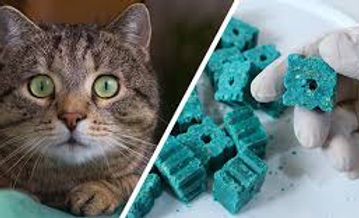
Cholecalciferol rodenticide toxicity is a toxic exposure, not a diagnosis. It occurs when dogs or cats ingest rodent bait products containing vitamin D3 (cholecalciferol), a compound designed to disrupt calcium balance in rodents but extremely dangerous to pets.
Once absorbed, cholecalciferol is converted in the liver and kidneys into active vitamin D metabolites that dramatically increase calcium and phosphorus levels in the bloodstream. This overwhelms the body’s normal regulatory mechanisms and leads to systemic hypercalcemia and hyperphosphatemia.
The resulting metabolic imbalance can damage the kidneys, heart, gastrointestinal tract, nervous system, lungs, and soft tissues, sometimes before outward illness is obvious.
Globally, regulatory shifts away from anticoagulant rodenticides have led to a dramatic increase in cholecalciferol exposures, making this one of the fastest-rising and most dangerous rodenticide poisonings seen in urgent veterinary care.
This condition is frequently searched by pet owners using phrases such as vitamin D rodenticide poisoning dog, cholecalciferol toxicity, rat poison kidney failure dog, pet ate vitamin D bait, D3 rat poison dog symptoms, vitamin D poisoning cat, rodenticide hypercalcemia dog, dog ate rat bait but not anticoagulant, cholecalciferol rat poison ingestion, vitamin D3 poisoning pets, dog vomiting after rat poison, polyuria polydipsia rat poison, high calcium rat poison dog, kidney failure from rat bait, pet rodenticide toxicity, dog lethargic after rat poison, cat rodenticide ingestion, rat bait mineralization organs, and rodent poison delayed symptoms, reflecting how often exposure is not immediately recognized.
Who This Page Is For
• Dogs or cats that may have accessed rat or mouse bait containing vitamin D3
• Pets in new homes, garages, basements, sheds, or outdoor areas where rodent control products may be present
• Animals that ingested unknown bait or were exposed to rodenticides of unclear type
• Pets with vomiting, lethargy, excessive thirst or urination, weakness, or appetite loss after possible exposure
• Dogs or cats with unexpected high calcium or kidney values on bloodwork
Who This Page Is Not For
• Pets with confirmed anticoagulant rodenticide exposure already under treatment
If you are unsure what type of rodenticide was involved, that uncertainty itself warrants veterinary assessment.
Related Urgent Symptoms
• Toxin Exposure In Dogs And Cats
• Dog Lethargic and Weak
• Cat Lethargic and Weak
• Increased Thirst and Urination
• Vomiting And Diarrhea
• Acute Kidney Injury
• Seizures or Convulsions
What This Can Look Like at Home
Early signs may be subtle or absent, especially in the first 12 hours. Owners may later notice:
• Lethargy or unusual quiet behavior
• Loss of appetite or vomiting
• Increased thirst and increased or decreased urination
• Dehydration despite drinking
• Weakness, tremors, or seizures
• Abdominal discomfort
• History of passing bait material in stool
Why This Can Be Hard to Judge
Many pets appear normal for the first 12–24 hours after ingestion, which can falsely reassure owners.
Calcium and phosphorus abnormalities often do not peak until 24–72 hours, while tissue mineralization may not occur for 3–7 days.
The bait amount ingested is often unknown, and cholecalciferol has a very narrow margin of safety, meaning small exposures can have severe consequences.
Clinical signs may mimic kidney disease, endocrine disease, or malignancy-related hypercalcemia, delaying recognition of the true cause.
The Improvement Trap
Temporary improvement does not equal resolution.
Vomiting or lethargy may briefly improve while calcium continues to rise internally.
Some pets worsen days later with acute kidney failure or cardiac complications.
Waiting to “see how they do” can allow irreversible organ damage to develop.
What Is Easy to Miss at Home
• Mild lethargy or quiet behavior without obvious pain
• Increased thirst before obvious vomiting or appetite loss
• Increased or decreased urination that may be attributed to stress
• Subtle dehydration despite drinking water
• Passing small amounts of bait material in stool
• Normal behavior during the first 12–24 hours after exposure
These signs matter because serious calcium and kidney changes often develop internally before dramatic illness is visible.
When This Can Be an Emergency
Cholecalciferol rodenticide toxicity must be treated as urgent because life-threatening hypercalcemia and kidney failure can develop rapidly and irreversibly.
Seek same-day urgent care immediately if any of the following occur:
• Known or suspected ingestion of vitamin D3 rodent bait
• Vomiting, lethargy, or refusal to eat after possible exposure
• Excessive thirst, increased urination, or reduced urine output
• Weakness, tremors, or seizures
• Dehydration despite drinking
• Irregular heart rhythm or collapse
• Any exposure in cats, puppies, or kittens, even if no signs are present
This is the decision pivot where early intervention dramatically changes outcome.
How Veterinarians Assess This
Clinical signs alone cannot reliably determine severity.
Symptoms can appear similar while representing very different internal disease processes. Diagnostic testing is how veterinarians determine whether a condition is mild and self-limiting or serious and potentially life-threatening, and how they guide appropriate care.
Diagnostic testing may include:
• Serum chemistry profile to evaluate calcium, phosphorus, kidney values, and metabolic status
• Ionized calcium testing to determine biologically active calcium levels
• Urinalysis to assess kidney concentrating ability and renal injury
• Electrolyte monitoring to track disease progression
• Complete blood count to assess dehydration and systemic effects
• ECG monitoring when hypercalcemia is prolonged or severe
• Diagnostic imaging to evaluate mineralization of tissues in later stages
Additional disease-specific testing (such as repeated calcium monitoring, ECG evaluation, or imaging for tissue mineralization) may be considered based on the overall clinical picture.
Diagnostic testing is what determines severity and guides appropriate care.
Veterinary Differentials - Serious / Must-Rule-Out First
• Cholecalciferol rodenticide toxicity – Vitamin D3 exposure causing hypercalcemia, hyperphosphatemia, and kidney failure.
Tests may include serum chemistry profile, ionized calcium, urinalysis.
• Acute kidney injury – Sudden loss of renal function from toxins or ischemia.
Tests may include serum chemistry profile, urinalysis, electrolyte testing.
• Hypercalcemia of malignancy – Cancer-related calcium elevation.
Tests may include serum chemistry profile, imaging, endocrine testing.
• Primary hyperparathyroidism – Excess parathyroid hormone causing calcium imbalance.
Tests may include calcium, phosphorus, PTH testing.
• Hypoadrenocorticism – Endocrine disease that may mimic metabolic abnormalities.
Tests may include electrolyte panel, endocrine testing.
• Vitamin D overdose from supplements – Excess supplementation leading to calcium toxicity.
Tests may include serum chemistry profile, ionized calcium.
Veterinary Differentials - Common / More Typical
• Chronic kidney disease – Pre-existing renal disease with secondary changes.
Tests may include serum chemistry profile, urinalysis.
• Idiopathic hypercalcemia (cats) – Non-toxic calcium elevation.
Tests may include ionized calcium, imaging.
• Granulomatous disease – Inflammatory disease causing calcium elevation.
Tests may include imaging, infectious disease testing.
• NSAID toxicosis – Drug-induced kidney injury.
Tests may include serum chemistry profile, urinalysis.
• Grape or raisin toxicosis – Toxic kidney injury in dogs.
Tests may include serum chemistry profile, urinalysis.
• Leptospirosis – Infectious renal disease.
Tests may include infectious disease testing, urinalysis.
Safety, Psychology, & Peace of Mind
Vitamin D3 rodenticide poisoning is particularly distressing because exposure is often accidental and not immediately obvious.
Owners frequently feel reassured early because pets appear normal, even while damage is developing.
Assessment replaces uncertainty with measurable information.
Early diagnosis allows intervention before calcium levels cause permanent organ damage.
Many owners later express relief that care was sought before kidney failure or cardiac complications occurred.
Frequently Asked Questions
Is cholecalciferol (vitamin D3) rodenticide toxicity an emergency?
Cholecalciferol rodenticide toxicity can range from mild to life-threatening depending on the amount ingested and timing of care. Because outward appearance does not reliably indicate severity, this condition is treated as urgent. Same-day urgent care is recommended, especially if vomiting, lethargy, increased thirst, or urination changes are present.
My pet seems normal now — can this still be serious?
Yes. Pets often hide illness, and vitamin D3 rodenticide toxicity may not cause visible signs for 12–24 hours or longer. Apparent normal behavior does not reliably reflect internal stability, as calcium and kidney abnormalities may develop later. Veterinary assessment is appropriate even when pets appear normal after exposure.
What if only a small amount of bait was eaten?
Even small amounts of cholecalciferol rodenticide can be clinically meaningful. Temporary improvement does not equal resolution, and the exact amount ingested is often unknown. Early assessment helps determine whether the exposure is likely to progress to dangerous hypercalcemia.
Why are tests needed if my pet is already acting sick?
Clinical signs alone cannot determine severity in cholecalciferol rodenticide toxicity. Diagnostic testing is how veterinarians evaluate calcium levels, kidney function, and progression of disease. Testing replaces guesswork with clarity and guides appropriate care decisions.
What should I do right now?
Do not rely on watchful waiting. Any known or suspected ingestion of vitamin D3 rodenticide warrants veterinary assessment, even if symptoms are mild or absent. Same-day urgent care helps reduce the risk of irreversible kidney and cardiac damage.