Need a veterinarian today?
or
Urgent care is for pets who are unwell, in discomfort, are in urgent situation or are not acting like themselves and should be assessed within 24 hours.
Can wait 24-48 hours?
Wellness, routine, or general care is for pets needing vaccines, preventive care, or ongoing monitoring who can safely wait at least 24 hours.
Urgent and ongoing care in Stittsville, Kanata & West Ottawa. Unwell today? Call 343-463-8787, option 1 during clinic hours or check wait times. Stable bookings: option 2. One-off urgent visits welcome.
Cushing’s Disease in Dogs — When to See a Vet: Causes, Warning Signs and Urgent Care
Cushing’s Disease in Dogs (hyperadrenocorticism or excess cortisol effects) usually develops gradually, but new severe illness should not be assumed to be part of the hormonal condition.
Definition
Cushing’s syndrome, or hypercortisolism, describes excessive cortisol effects. It may be associated with pituitary or adrenal disease, or with exposure to certain steroid medicines. Diagnosis requires a compatible clinical picture and appropriately interpreted testing. The signs described here are clinical observations; they cannot establish this diagnosis without veterinary assessment.
This page focuses on dogs, in which Cushing’s syndrome is more common. It can occur in cats, often alongside diabetes, but feline investigation and interpretation differ.
For pet owners in Stittsville, Kanata, and nearby Ottawa communities, urgent-care assessment starts with the same clinical question used more widely: which findings explain the change, and how quickly does this pet need care?
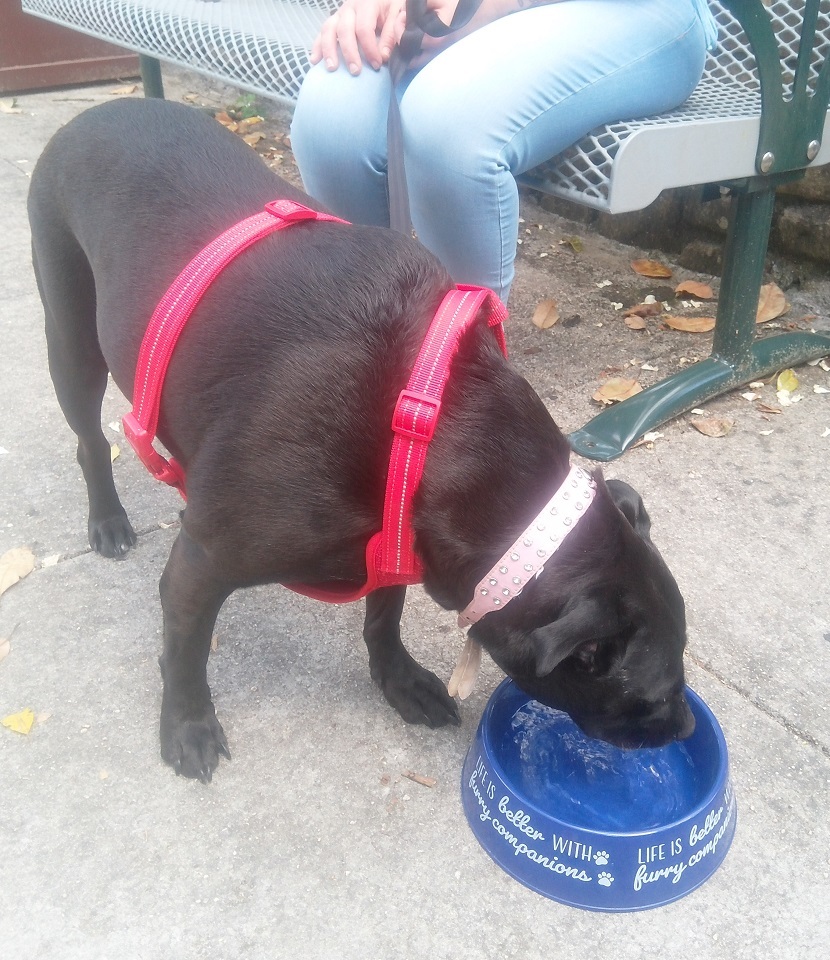
Illustrative observation photo; it does not show a confirmed diagnosis. Photo: BARK Rangers of Russell Cave (c8981954-91d1-4e50-b71e-909168f10eb8).jpg by NPS Photo — Public domain. Unmodified.
Who This Page Is For
Increasing thirst, urination, or appetite
Panting, a rounder abdomen, or muscle weakness
Thin skin, recurrent skin problems, or hair-coat changes
A return or progression of these changes after an earlier veterinary assessment
Who This Page Is Not For
An isolated episode of panting after exercise that resolves promptly, without ongoing thirst, urine, skin, or body-shape changes.
If you are unsure whether this is significant, that uncertainty itself warrants veterinary assessment.
Related Urgent Symptoms
Health topics › Hormones, diabetes and metabolism
Continue with the question you need answered next.
Symptoms and warning signs
Conditions and findings
Follow-up and recovery
See all hormones, diabetes and metabolism guides · Complete A–Z directory
What This Can Look Like at Home
Clinical presentation often involves changes in everyday behaviour rather than an obvious diagnosis. Owners may notice:
Increasing thirst, urination, or appetite
Panting, a rounder abdomen, or muscle weakness
Thin skin, recurrent skin problems, or hair-coat changes
Why This Can Be Hard to Judge
These signs overlap with other illnesses and can develop gradually. A single abnormal liver enzyme or cortisol measurement is not enough to establish Cushing’s disease, particularly during unrelated acute illness.
Early misleading normalcy means that an apparently ordinary meal, walk, or quiet period can coexist with a developing problem. The trend, the combination of signs, and the examination matter more than one reassuring moment.
Differential diagnosis requires matching the history and physical findings with appropriate tests; an online description or photograph cannot do that reliably.
The Improvement Trap
Temporary improvement does not equal resolution.
More energy or less thirst can help assess progress but does not replace planned monitoring. Treatments can have important adverse effects, so new vomiting, poor appetite, or weakness should be reported promptly.
A quieter interval is useful information for the veterinarian, but worsening pain, reduced appetite, or any red flag overrides an earlier period of improvement. Keep the advised recheck even if the visible signs settle.
What Is Easy to Miss at Home
Steroid tablets, injections, creams, or ear products in the medication history
Gradual loss of muscle strength
Concurrent diabetes or urinary infection
Medication exposure, including prescribed steroid products
Skin thinning or recurrent infections with increased thirst
These clues help a veterinarian judge the whole pet and choose the next step; none confirms or excludes a diagnosis on its own.
When This Can Be an Emergency
Triage evaluation is critical when the main sign occurs with pain, loss of normal function, or whole-body illness. Use the highest-priority category that applies:
Now — collapse, severe weakness, difficulty breathing, or a painful swollen abdomen. Seek immediate assessment; if SKVH cannot receive your pet promptly, contact an open emergency hospital.
Today — vomiting, refusal of food, new weakness, or rapid deterioration alongside thirst, urination, or skin changes.
Appointment or monitoring limit — gradual thirst, urination, panting, hair loss, or body-shape changes: arrange an examination; call within 24 hours if the changes are new or progressing.
Escalating signs — a problem that becomes more frequent, painful, or disruptive after seeming mild needs earlier advice rather than waiting for the original appointment.
Compounding signs — loss of appetite, repeated vomiting, or unusual weakness alongside the main change raises the priority; call the same day.
Systemic red flags — breathing difficulty, collapse, very pale gums, or inability to respond normally require immediate assessment, whatever the suspected cause.
How Veterinarians Assess This
Clinical signs alone cannot reliably determine severity.
Symptoms can appear similar while representing very different internal disease processes. Diagnostic testing is how veterinarians determine whether a condition is mild and self-limiting or serious and potentially life-threatening, and how they guide appropriate care.
Additional disease-specific testing (such as abdominal ultrasound or urine culture when indicated) may be considered based on the overall clinical picture.
The links above lead to the hospital’s diagnostics overview. The veterinarian selects tests after examination; availability, anaesthesia needs, and referral are discussed where relevant. Not every pet needs every test.
Veterinary Differentials - Serious / Must-Rule-Out First
These are not diagnoses. Diagnostic testing determines which conditions apply.
The following are possibilities when the examination and accompanying signs support them. They are not equally likely in every pet, and systemic causes are considered when there are systemic findings.
Adrenal neoplasia: a growth affecting an adrenal gland.
Tests may include Abdominal ultrasound, Low-dose dexamethasone suppression test.
Diabetic ketoacidosis: a diabetic metabolic complication involving ketones and acid-base disturbance.
Tests may include Blood glucose, Blood ketones, Blood gas analysis.
Acute kidney injury: a sudden reduction in kidney function.
Tests may include Blood chemistry panel, Urinalysis.
Pyometra: infection of the uterus in a susceptible female.
Tests may include Complete blood count, Blood chemistry panel, Abdominal ultrasound.
Liver disease: disease affecting liver function or structure.
Tests may include Blood chemistry panel, Abdominal ultrasound.
Veterinary Differentials - Common / More Typical
These include more typical explanations and other alternatives for overlapping signs. Age, sex, reproductive status, species, and examination findings determine relevance; inclusion does not mean each is common in every patient.
Hyperadrenocorticism in dogs: excessive cortisol effects associated with Cushing's syndrome.
Tests may include Low-dose dexamethasone suppression test, ACTH stimulation test.
Steroid-associated endocrine changes in dogs: cortisol-like effects related to steroid medication.
Tests may include ACTH stimulation test, Blood chemistry panel.
Diabetes mellitus in dogs: persistent inadequate glucose regulation in a dog.
Tests may include Blood glucose, Urinalysis, Fructosamine.
Hypothyroidism in dogs: inadequate thyroid hormone production.
Tests may include Total T4, Free T4, Canine TSH.
Allergic skin disease: skin inflammation associated with environmental or food triggers.
Tests may include Skin cytology, Skin scraping.
Safety, Psychology, & Peace of Mind
Uncertainty is a reason to ask for triage, not a requirement to identify the disease yourself. A short account of what changed and when helps the clinical team decide how soon the pet should be seen.
A normal-looking interval can make timing difficult. Use the red flags and the assessment timeframe above, and call sooner if pain, appetite, activity, urine output, or breathing worsens.
Prognosis depends heavily on the underlying cause, severity, and examination findings. Assessment can narrow that uncertainty without assuming every pet has the most serious possibility.
Ask the veterinarian which tests answer the immediate question, what can be staged, and what follow-up is needed. Care options, practical constraints, and referral can be discussed after the pet’s needs are assessed.
Same-Day Urgent Care at Stittsville Kanata Vet Hospital — call option 1
Call for Bookings & Non-Urgent Questions — option 2
Text Us: 343-463-8787 for routine questions and bookings
For immediate red flags, call rather than waiting for a text reply. If SKVH is closed or cannot assess your pet promptly, contact an open emergency hospital.
Where to go next
- Cushing's Disease Monitoring: Symptoms and Test Trends
- A Dog with Cushing's Disease Has New Weakness
- Blood Chemistry Panel: What Veterinarians Learn
Hormones, diabetes and metabolism · Find another health topic
Frequently Asked Questions
When should cushing’s disease in dogs be assessed urgently?
For cushing’s disease in dogs, seek same-day assessment for vomiting, refusal of food, new weakness, or rapid deterioration alongside thirst, urination, or skin changes. Immediate red flags include collapse, severe weakness, difficulty breathing, or a painful swollen abdomen. Call for triage using the highest-priority category above.
Can a pet seem well despite cushing’s disease in dogs?
Signs associated with cushing’s disease in dogs can be intermittent or subtle, so a normal-looking interval does not rule out a problem. These signs overlap with other illnesses and can develop gradually. Arrange assessment for persistent or recurring changes, sooner for the red flags above.
Does improvement rule out cushing’s disease in dogs?
Improvement in signs associated with cushing’s disease in dogs does not establish that the underlying problem has resolved. More energy or less thirst can help assess progress but does not replace planned monitoring. Keep the advised assessment or recheck, and call sooner if signs return or worsen.
Why are tests considered for cushing’s disease in dogs?
Assessing cushing’s disease in dogs requires more than outward signs alone. Veterinarians may consider physical examination, blood chemistry panel or urinalysis, depending on the examination. Ask which tests are needed for your pet and how the results will guide the next step.
What should I do next about cushing’s disease in dogs?
For possible cushing’s disease in dogs, the next step is veterinary triage based on current signs and the timing above. Call SKVH on option 1 for urgent concerns or option 2 for a stable booking question. For immediate red flags, seek an open receiving facility promptly rather than waiting for a message reply.