Need a veterinarian today?
or
Urgent care is for pets who are unwell, in discomfort, are in urgent situation or are not acting like themselves and should be assessed within 24 hours.
Can wait 24-48 hours?
Wellness, routine, or general care is for pets needing vaccines, preventive care, or ongoing monitoring who can safely wait at least 24 hours.
Urgent and ongoing care in Stittsville, Kanata & West Ottawa. Unwell today? Call 343-463-8787, option 1 during clinic hours or check wait times. Stable bookings: option 2. One-off urgent visits welcome.
Fanconi Syndrome in Dogs and Cats
Fanconi syndrome is impaired kidney-tubule reabsorption that can cause loss of glucose and other substances into urine; inherited and acquired forms are possible.
What this finding can mean
Fanconi syndrome is a defect in kidney-tubule reabsorption that allows glucose and other needed substances to be lost in urine. Both inherited and acquired forms occur. Glucose in urine with an otherwise unexpected blood glucose result is a clue, not a complete diagnosis.
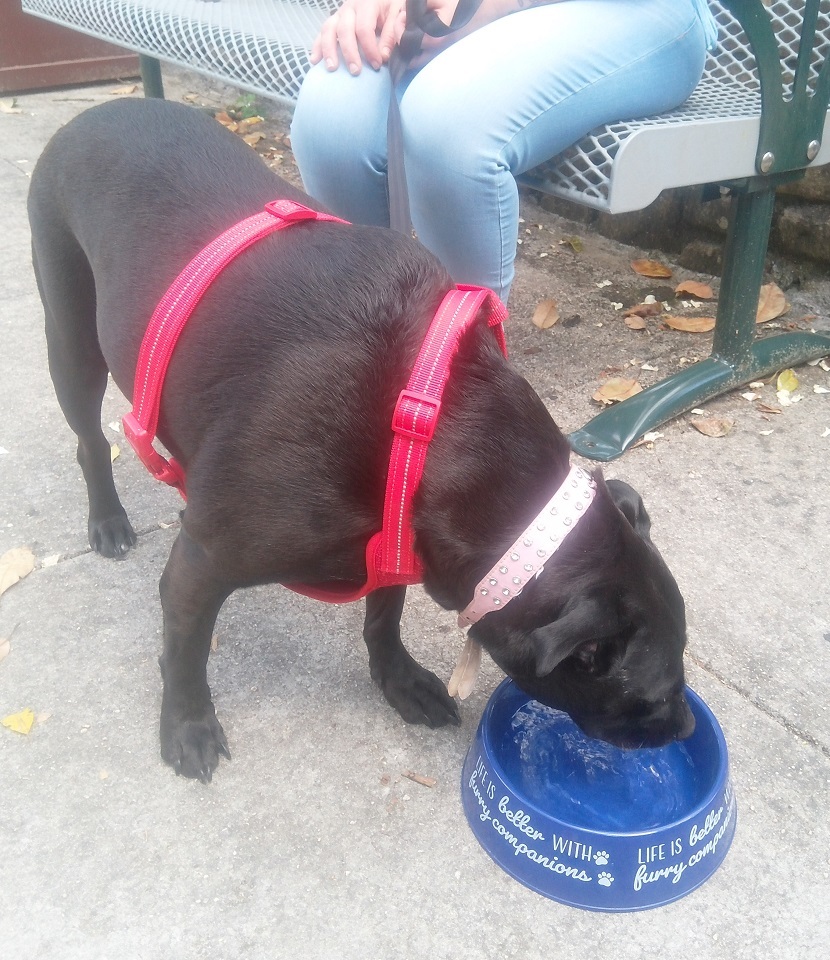
Illustrative observation photo; it does not show a confirmed diagnosis. Photo: BARK Rangers of Russell Cave (c8981954-91d1-4e50-b71e-909168f10eb8).jpg by NPS Photo — Public domain. Unmodified.
Signs and situations this guide addresses
Increased thirst or urination
Weakness or weight loss
Glucose in urine without the expected high blood glucose
Important distinctions
Urine glucose alone does not establish diabetes or Fanconi syndrome. Paired blood and urine findings, exposure history and selected metabolic assessment help define the pattern.
Related guides and next steps
Health topics › Urinary and kidney health
Continue with the question you need answered next.
Tests and reports
Follow-up and recovery
See all urinary and kidney health guides · Complete A–Z directory
Details worth noting
The following history can help the veterinarian interpret the change:
Diet, supplement and medication history
Changes in growth or body condition
Urine glucose interpreted with blood glucose
Why examination matters
Urine glucose alone does not establish diabetes or Fanconi syndrome. Paired blood and urine findings, exposure history and selected metabolic assessment help define the pattern.
The examination determines whether the pet is stable and which findings belong together. An online description cannot establish the cause or substitute for assessing the whole patient.
Why brief improvement can mislead
More energy or less thirst does not establish normal kidney-tubule function or electrolyte balance.
Follow the recommended assessment or review plan. New or worsening signs take priority over an earlier reassuring interval.
Information that helps assessment
Do not assume urine glucose means diabetes or change treatment without paired results and advice. Bring a complete diet, treat, supplement and medication history.
When to call urgently
Marked weakness, collapse, repeated vomiting, poor responsiveness or major deterioration needs urgent assessment. Increased drinking, weight loss or unexpected urine glucose in a stable pet still needs timely veterinary review.
If SKVH cannot receive your pet promptly or the clinic is closed, contact an open emergency hospital. Do not wait for a text or routine message reply in an emergency.
How veterinarians investigate
Paired blood and urine findings, kidney values, electrolytes and the clinical history help define the pattern. Selected specialist laboratory testing may be useful. The team asks about diet, treats, medicines and exposures as well as thirst and body condition.
Test selection follows the immediate clinical question. Some investigations or monitoring needs may require referral; this guide does not promise every test or treatment is available in-house.
Possible explanations and important risks
Diabetes and other causes of urine glucose must be distinguished from a tubular defect. Acquired tubular injury can be associated with several diseases, drugs or exposures, so it is important not to diagnose a dietary cause solely from one test.
Treatment decisions and follow-up
Management addresses the cause where identified and any losses, dehydration or metabolic disturbance. The veterinarian selects monitoring and treatment for the individual pet; supplements should not be started without a defined plan.
Care at SKVH and next steps
SKVH offers hybrid care for dogs and cats in Stittsville, Kanata and West Ottawa: appointment-based urgent assessment during clinic hours and the continuity of wellness, diagnostics, surgery, dentistry and ongoing care. One-off urgent visits and continuing clients are both welcome.
We explain findings, discuss medically appropriate options and review an individual estimate before proceeding. Your pet’s condition determines whether care is urgent, planned or best provided through referral.
Urgent concerns: call 343-463-8787, option 1 · Live urgent-care wait times and visit information
Stable bookings and non-urgent questions: option 2 · Wellness and ongoing care
Further clinical reading: Veterinary reference.
Where to go next
- Urinalysis: What a Urine Test Can Show
- Urine Culture: When It Adds Information
- Kidney Disease Rechecks: What Is Monitored Over Time
Frequently Asked Questions
When should I seek urgent help for fanconi syndrome in dogs and cats?
Marked weakness, collapse, repeated vomiting, poor responsiveness or major deterioration needs urgent assessment. Increased drinking, weight loss or unexpected urine glucose in a stable pet still needs timely veterinary review.
What can these signs mean?
Fanconi syndrome is a defect in kidney-tubule reabsorption that allows glucose and other needed substances to be lost in urine. Both inherited and acquired forms occur. Glucose in urine with an otherwise unexpected blood glucose result is a clue, not a complete diagnosis. Urine glucose alone does not establish diabetes or Fanconi syndrome. Paired blood and urine findings, exposure history and selected metabolic assessment help define the pattern.
Why might a veterinarian recommend tests?
Paired blood and urine findings, kidney values, electrolytes and the clinical history help define the pattern. Selected specialist laboratory testing may be useful. The team asks about diet, treats, medicines and exposures as well as thirst and body condition.
Does temporary improvement mean the problem has resolved?
More energy or less thirst does not establish normal kidney-tubule function or electrolyte balance. Management addresses the cause where identified and any losses, dehydration or metabolic disturbance. The veterinarian selects monitoring and treatment for the individual pet; supplements should not be started without a defined plan.
What should I avoid while arranging advice?
Do not assume urine glucose means diabetes or change treatment without paired results and advice. Bring a complete diet, treat, supplement and medication history.