Need a veterinarian today?
or
Urgent care is for pets who are unwell, in discomfort, are in urgent situation or are not acting like themselves and should be assessed within 24 hours.
Can wait 24-48 hours?
Wellness, routine, or general care is for pets needing vaccines, preventive care, or ongoing monitoring who can safely wait at least 24 hours.
Urgent and ongoing care in Stittsville, Kanata & West Ottawa. Unwell today? Call 343-463-8787, option 1 during clinic hours or check wait times. Stable bookings: option 2. One-off urgent visits welcome.
Osteoarthritis in Dogs — Signs, Assessment and Next Steps
Arrange an appointment for persistent stiffness or reduced activity.
Definition
Osteoarthritis is a joint disease associated with structural changes, inflammation, and pain. It can follow abnormal joint development, injury, or other joint disease. Age may influence risk, but stiffness should not be dismissed as something a dog simply has to tolerate.
Who This Page Is For
For owners of a dog with the changes described below, or with a suspected or confirmed diagnosis who want to understand assessment and follow-up.
Who This Page Is Not For
This page cannot confirm a diagnosis or replace an examination. If severe signs are present, use the emergency guidance below rather than waiting for an online answer.
Related Urgent Symptoms
What This Can Look Like at Home
Stiffness after rest or difficulty rising
Reduced willingness to climb stairs, jump, or walk far
Limping, slower movement, or changes in play
Why This Can Be Hard to Judge
Pain may be subtle and does not always cause crying. Examination helps distinguish joint disease from a ligament, muscle, spine, or neurologic problem before choosing treatment.
The Improvement Trap
A good day or a burst of play does not establish comfortable function throughout the week. Repeated observations of ordinary activities are more useful than testing the dog with a long outing.
What Is Easy to Miss at Home
Slipping on floors or difficulty getting into the car
Changes in sleep or tolerance of handling
Weight gain and muscle loss reducing mobility together
When This Can Be an Emergency
Arrange an appointment for persistent stiffness or reduced activity. Sudden non-weight-bearing lameness or marked pain needs prompt advice. Major trauma, inability to stand, paralysis, or severe uncontrolled pain requires urgent or emergency assessment.
Call 343-463-8787, option 1 for urgent or emergency concerns. For stable follow-up or non-urgent questions, call option 2. If immediate care is needed and SKVH cannot be reached or is closed, go to an emergency veterinary hospital; do not wait for a callback or text response.
How Veterinarians Assess This
The veterinarian starts with your pet’s history and examination. Tests are chosen to answer specific questions; not every pet needs every test listed. Findings, options, and estimates are explained before you decide.
Mobility history and orthopaedic examination
Pain and body-condition assessment with home videos where helpful
Radiographs or other testing when needed to clarify the diagnosis or guide medication safety
Veterinary Differentials - Serious / Must-Rule-Out First
A fracture, ligament injury, or other acute painful condition
Neurologic disease causing weakness
A bone or joint disorder requiring a different treatment plan
These are possibilities considered from the examination, not a prediction that your pet has one of them.
Veterinary Differentials - Common / More Typical
Osteoarthritis
Muscle weakness or weight-related mobility limits
Other orthopaedic disease with overlapping stiffness
The list explains overlapping possibilities; it is not a ranking of the diagnosis for an individual pet.
Safety, Psychology, & Peace of Mind
A plan can combine weight management, suitable exercise, home modifications, veterinary pain treatment, and reassessment. Not every treatment is suitable for every dog. Do not give human pain medicines or combine prescriptions without checking, and report appetite or gastrointestinal changes during treatment.
For Stittsville, Kanata, and West Ottawa pet owners, SKVH welcomes new clients and one-off urgent visits during clinic hours. Call first so the team can discuss symptoms, appointment options, and the right next step.
Learn about ongoing care and monitoring and urgent care during clinic hours. The team will explain when referral or a different care setting is appropriate.
Further reading: AAHA clinical guidance. This page is general education, not an individual diagnosis or prescription.
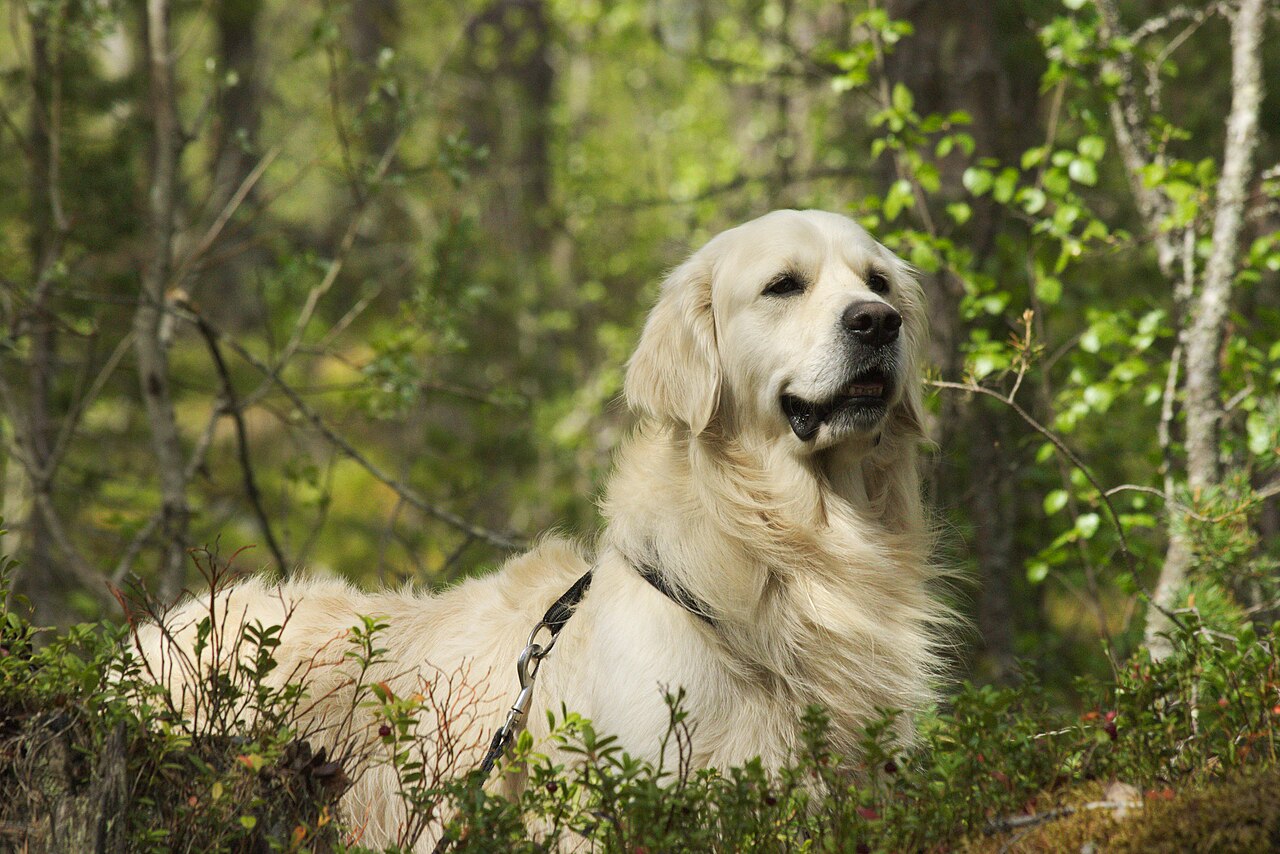
Illustrative dog photograph; not a patient image or depiction of this diagnosis. Photo: Johan Spaedtke, Wikimedia Commons, CC0 public-domain dedication.
Frequently Asked Questions
Does arthritis pain always cause crying?
No. Slower movement, reduced play, altered sleep, or avoiding stairs may be more noticeable than vocalizing.
Should an arthritic dog stop all exercise?
Usually the goal is suitable, consistent activity rather than complete inactivity. The plan depends on pain, joint findings, and other health concerns.
Can losing excess weight help?
It can reduce joint load in an overweight dog. A practical feeding and activity plan should protect muscle and overall health.
Are human painkillers safe for a stiff dog?
Do not give them without specific veterinary instructions. Some are dangerous for dogs, and interactions or existing disease can increase risk.
How do we know treatment is helping?
Agree on specific activities to track, such as rising or using stairs, and review them alongside comfort, examination findings, and any medication monitoring.