Need a veterinarian today?
or
Urgent care is for pets who are unwell, in discomfort, are in urgent situation or are not acting like themselves and should be assessed within 24 hours.
Can wait 24-48 hours?
Wellness, routine, or general care is for pets needing vaccines, preventive care, or ongoing monitoring who can safely wait at least 24 hours.
Urgent and ongoing care in Stittsville, Kanata & West Ottawa. Unwell today? Call 343-463-8787, option 1 during clinic hours or check wait times. Stable bookings: option 2. One-off urgent visits welcome.
Surgery When the Diagnosis Is Uncertain for Dogs and Cats
Surgery can sometimes provide information that examination and other tests have not settled.
Overview and the key decision
Surgery can sometimes provide information that examination and other tests have not settled. The discussion should distinguish what the procedure may diagnose, what it may treat and which findings could change or limit the operation.
This guide explains decisions to discuss with your veterinarian. The right plan depends on your pet’s current condition, examination and medical history.
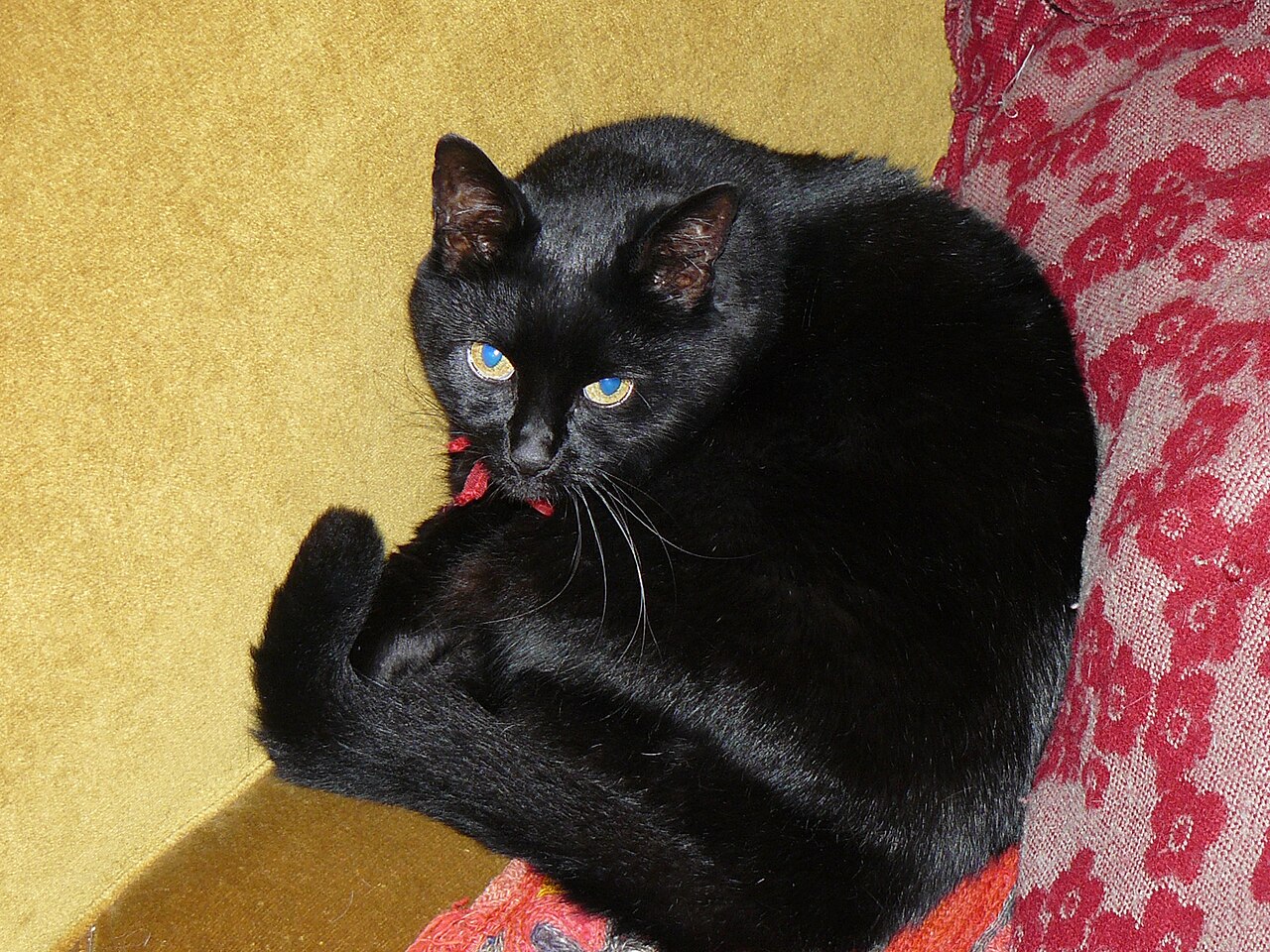
Illustrative photograph; it does not show a confirmed diagnosis or this procedure. Black cat curled up on a sofa in Newcastle upon Tyne, UK.jpg by Salwa Farwaneh Dameh — CC0. Unmodified.
When this guide is useful
A proposed exploratory or diagnostic procedure
An unresolved problem after initial investigation
Uncertainty about the extent of surgery
What this guide cannot determine
An online guide cannot establish your pet’s diagnosis, choose a test or procedure, or replace an examination. The information below does not provide a medication or home procedure protocol.
Related symptoms and care guides
- How Veterinarians Prioritize Tests When Decisions Must Be Staged
- A Normal Blood Test Despite an Unwell Pet
- How Earlier Medical Records Improve Test Interpretation
- Complete Blood Count (CBC): What It Can and Cannot Tell You
- Blood Chemistry Panel: What Veterinarians Learn
- Urinalysis: What a Urine Test Can Show
What the assessment or procedure involves
The clinician reviews the evidence, competing explanations and the question surgery is intended to answer. Sampling, imaging or referral alternatives may also be discussed.
What the findings can tell us
Direct examination or a biopsy can clarify some problems, but not every diagnosis is immediate. A tissue report or further investigation may still be needed after the procedure.
Important limits of the findings
Exploration does not guarantee a treatable finding or a complete diagnosis. A reassuring initial test does not establish that all important problems have been excluded.
Preparation and useful records
Ask about likely and unexpected findings, consent limits, samples and how additional decisions will be communicated. Bring all previous reports and images.
When to call urgently
Severe pain, collapse, repeated vomiting, major bleeding or rapid deterioration needs urgent triage rather than waiting for a routine diagnostic discussion.
If SKVH cannot receive your pet promptly or the clinic is closed, contact an open emergency hospital. Do not wait for a routine message response when urgent signs are present.
How the care plan is chosen
The veterinarian explains expected benefit, alternatives, individual risks and whether another care setting offers a more suitable approach.
Risks and alternatives to discuss
Anaesthesia, tissue complications and the possibility of further procedures must be considered alongside the risks of leaving the problem unresolved.
Follow-up and unanswered questions
Confirm how operative findings, pathology and recovery will be reviewed. Ask what happens if the procedure does not answer the original question completely.
Care at SKVH and next steps
SKVH combines appointment-based urgent assessment during clinic hours with wellness, diagnostics, surgery, dentistry and ongoing care for dogs and cats in Stittsville, Kanata and West Ottawa. One-off urgent visits and continuing care are both welcome.
Findings, medically appropriate options and an individual estimate are discussed before proceeding. Test and procedure availability, monitoring needs and referral are considered for the individual case; this guide does not promise every test or treatment is available in-house.
Urgent concerns: call 343-463-8787, option 1 · Live urgent-care wait times and visit information
Stable bookings and non-urgent questions: option 2 · Wellness and ongoing care · Relevant SKVH service information
Clinical background: SKVH service information.
Frequently Asked Questions
What can surgery answer when the diagnosis is still uncertain?
Surgery can sometimes provide information that examination and other tests have not settled. The discussion should distinguish what the procedure may diagnose, what it may treat and which findings could change or limit the operation. The veterinarian explains expected benefit, alternatives, individual risks and whether another care setting offers a more suitable approach.
What are the limits of surgery when the diagnosis is uncertain?
Exploration does not guarantee a treatable finding or a complete diagnosis. A reassuring initial test does not establish that all important problems have been excluded.
How should I prepare for a discussion about surgery when the diagnosis is uncertain?
Ask about likely and unexpected findings, consent limits, samples and how additional decisions will be communicated. Bring all previous reports and images.
When should I seek urgent help rather than wait?
Severe pain, collapse, repeated vomiting, major bleeding or rapid deterioration needs urgent triage rather than waiting for a routine diagnostic discussion.
What follow-up questions should I ask?
Confirm how operative findings, pathology and recovery will be reviewed. Ask what happens if the procedure does not answer the original question completely.