Need a veterinarian today?
or
Urgent care is for pets who are unwell, in discomfort, are in urgent situation or are not acting like themselves and should be assessed within 24 hours.
Can wait 24-48 hours?
Wellness, routine, or general care is for pets needing vaccines, preventive care, or ongoing monitoring who can safely wait at least 24 hours.
Urgent and ongoing care in Stittsville, Kanata & West Ottawa. Unwell today? Call 343-463-8787, option 1 during clinic hours or check wait times. Stable bookings: option 2. One-off urgent visits welcome.
Anal Sac Disease in Cats — Signs, Assessment and Next Steps
A painful swelling, discharge, reduced eating, or difficulty defecating needs prompt advice.
Definition
Cats have paired anal sacs beside the anus. Although anal-sac problems are less common in cats than in dogs, impaction, inflammation, infection, or an abscess can occur. Perineal licking or straining does not identify the cause by itself.
Who This Page Is For
For owners of a cat with the changes described below, or with a suspected or confirmed diagnosis who want to understand assessment and follow-up.
Who This Page Is Not For
This page cannot confirm a diagnosis or replace an examination. If severe signs are present, use the emergency guidance below rather than waiting for an online answer.
Related Urgent Symptoms
What This Can Look Like at Home
Licking beneath the tail or scooting
Pain when sitting or passing stool
A swelling, discharge, or draining area beside the anus
Why This Can Be Hard to Judge
Constipation, skin disease, wounds, and urinary problems can also cause posturing or licking. In particular, a cat straining without producing urine needs immediate care rather than an assumption about anal glands.
The Improvement Trap
Drainage may reduce pressure and discomfort while infection or another lesion remains. A new draining area or recurring swelling should still be examined.
What Is Easy to Miss at Home
A small perineal wound hidden by fur
Uncertain urine output during repeated litter-box visits
A firm or persistent mass rather than a simple impaction
When This Can Be an Emergency
A painful swelling, discharge, reduced eating, or difficulty defecating needs prompt advice. Repeated urinary straining with little or no urine is an immediate emergency. Collapse or severe weakness also requires emergency care.
Call 343-463-8787, option 1 for urgent or emergency concerns. For stable follow-up or non-urgent questions, call option 2. If immediate care is needed and SKVH cannot be reached or is closed, go to an emergency veterinary hospital; do not wait for a callback or text response.
How Veterinarians Assess This
The veterinarian starts with your pet’s history and examination. Tests are chosen to answer specific questions; not every pet needs every test listed. Findings, options, and estimates are explained before you decide.
Examination of the anal sacs, skin, and nearby structures
Assessment of pain and whether sedation is needed for safe examination
Sampling or further investigation for persistent, unusual, or recurrent lesions
Veterinary Differentials - Serious / Must-Rule-Out First
Urinary obstruction mistaken for a perineal complaint
A spreading abscess or systemic illness
An anal-sac or nearby mass
These are possibilities considered from the examination, not a prediction that your pet has one of them.
Veterinary Differentials - Common / More Typical
Anal-sac impaction or inflammation
An infected sac or localized abscess
Another skin, stool, or perineal problem
The list explains overlapping possibilities; it is not a ranking of the diagnosis for an individual pet.
Safety, Psychology, & Peace of Mind
Care depends on the diagnosis and may include emptying or flushing, pain management, or infection treatment when indicated. Recurrent disease warrants investigation of contributing factors. Routine home expression is not recommended as a substitute for diagnosis.
For Stittsville, Kanata, and West Ottawa pet owners, SKVH welcomes new clients and one-off urgent visits during clinic hours. Call first so the team can discuss symptoms, appointment options, and the right next step.
Learn about diagnostic services and urgent care during clinic hours. The team will explain when referral or a different care setting is appropriate.
Further reading: Veterinary reference information. This page is general education, not an individual diagnosis or prescription.
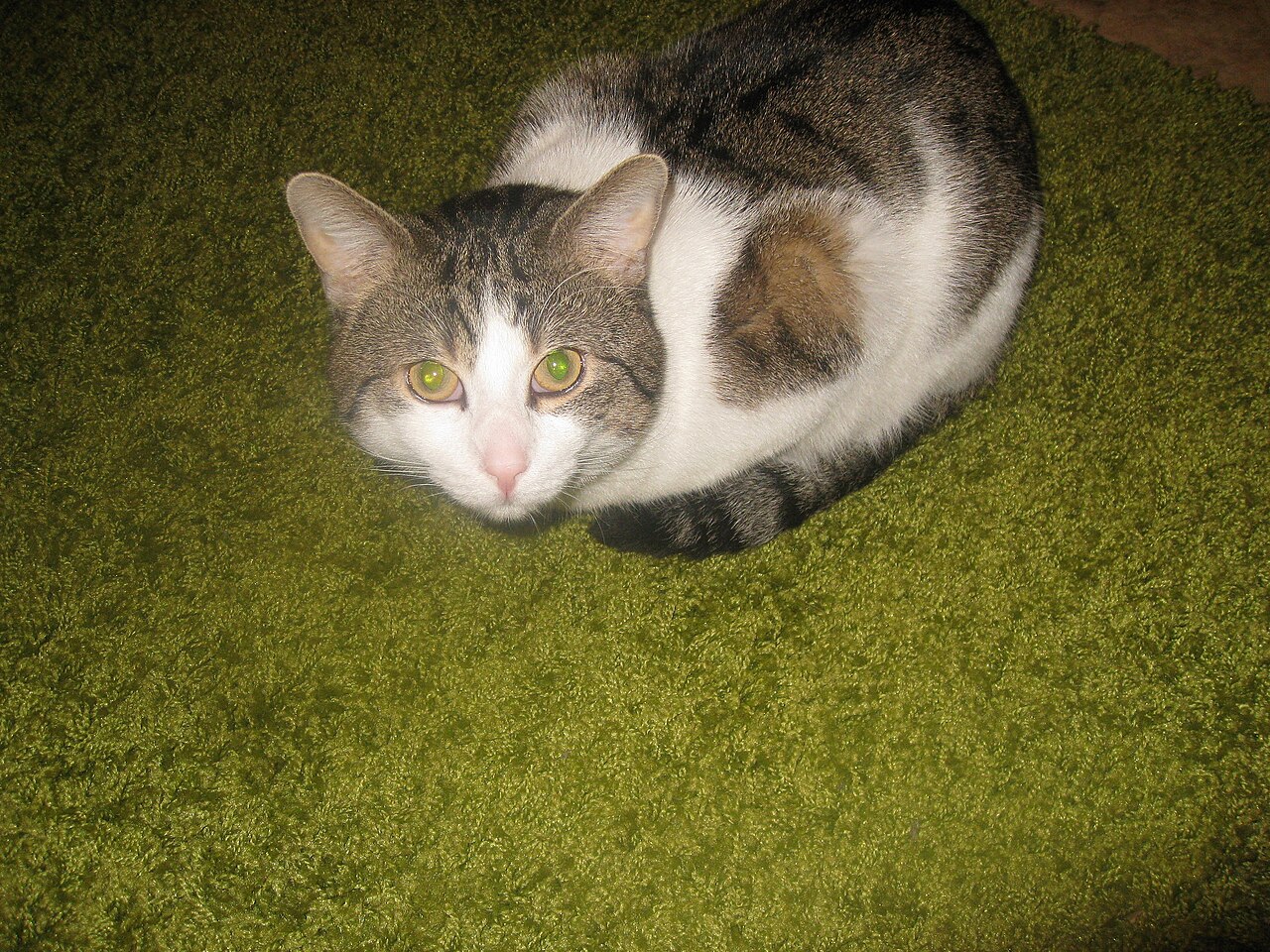
Illustrative cat photograph; not a patient image or depiction of this diagnosis. Photo: Nopple, Wikimedia Commons, CC0 public-domain dedication.
Frequently Asked Questions
Do cats get anal-gland problems?
Yes, though they are less common than in dogs. Swelling or discomfort still needs examination to establish the cause.
Does scooting prove a full anal sac?
No. Skin irritation, parasites, stool problems, and other conditions can produce similar behaviour.
How do I distinguish straining to urinate from constipation?
It can be difficult at home. If repeated attempts produce little or no urine, treat it as an emergency rather than waiting to identify the cause yourself.
Should I squeeze a swelling near the anus?
No. It may be an abscess or another painful lesion. Arrange veterinary advice and avoid forceful handling.
What if the same swelling keeps returning?
A persistent or recurring lesion deserves further investigation, including consideration of a mass or another underlying problem.