Need a veterinarian today?
or
Urgent care is for pets who are unwell, in discomfort, are in urgent situation or are not acting like themselves and should be assessed within 24 hours.
Can wait 24-48 hours?
Wellness, routine, or general care is for pets needing vaccines, preventive care, or ongoing monitoring who can safely wait at least 24 hours.
Urgent and ongoing care in Stittsville, Kanata & West Ottawa. Unwell today? Call 343-463-8787, option 1 during clinic hours or check wait times. Stable bookings: option 2. One-off urgent visits welcome.
Blood in Urine in Cats
Pink, red or blood-tinged urine can occur with bladder inflammation, stones, infection, trauma or other urinary disease.
What this condition or finding can mean
Pink, red or blood-tinged urine can occur with bladder inflammation, stones, infection, trauma or other urinary disease. The urgent question is whether urine is actually passing. A blocked cat may repeatedly strain and produce only drops or none.
This guide explains decisions to discuss with your veterinarian. The right plan depends on your pet’s current condition, examination and medical history.
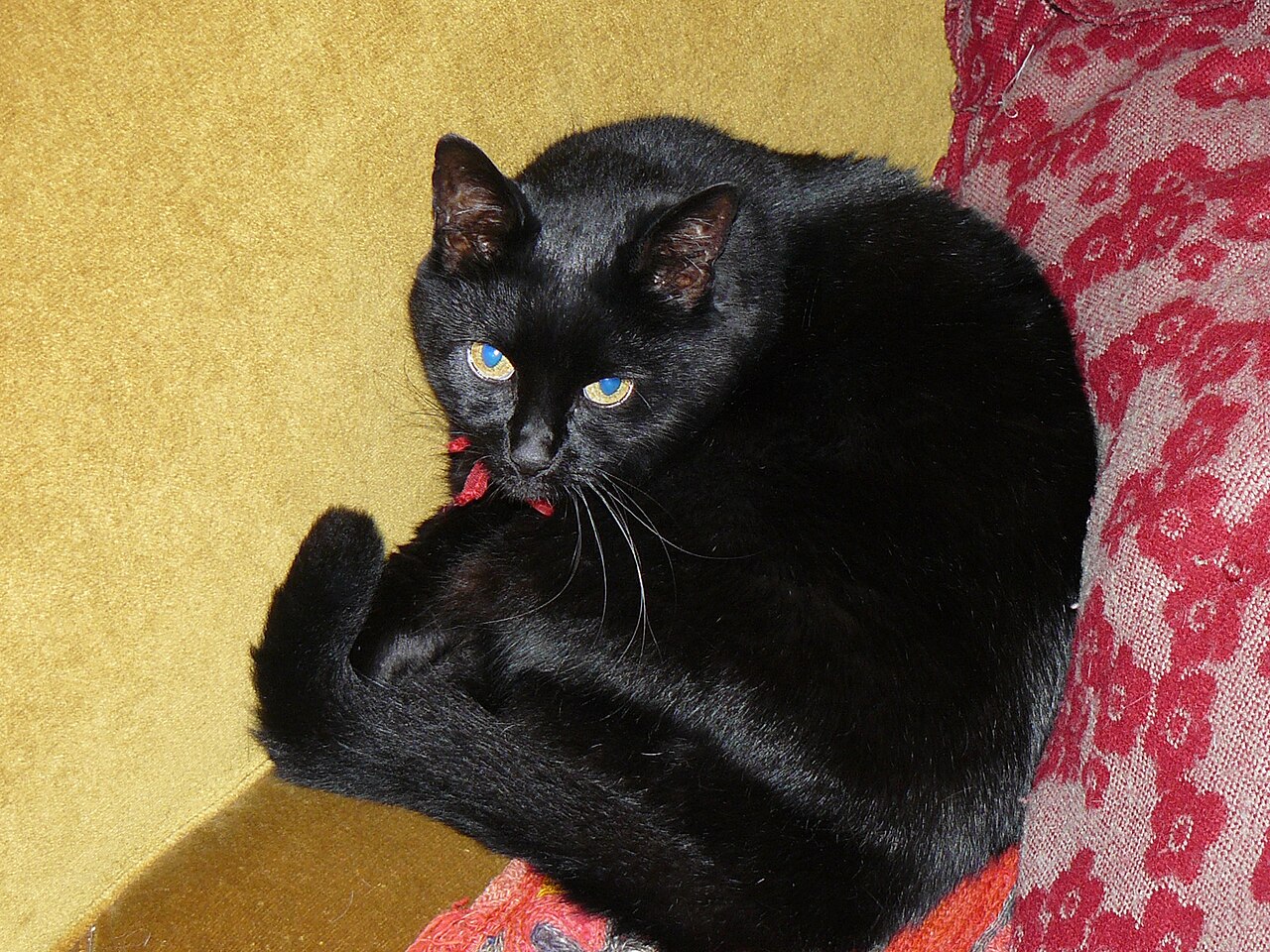
Illustrative photograph; it does not show a confirmed diagnosis or this procedure. Black cat curled up on a sofa in Newcastle upon Tyne, UK.jpg by Salwa Farwaneh Dameh — CC0. Unmodified.
Signs and situations this guide addresses
Red urine or blood spots in the litter box
Frequent trips, licking or discomfort
Straining with reduced urine output
What cannot be determined online
An online guide cannot establish your pet’s diagnosis, choose a test or procedure, or replace an examination. The information below does not provide a medication or home procedure protocol.
Related symptoms and care guides
- Frequent Urination in Dogs (Pollakiuria) – Causes, Warning Signs & Urgent Care
- Male Cat Straining to Urinate or Not Peeing or Peeing in Drops
- Female Cat Not Peeing – When to See a Vet: Causes, Warning Signs, and Urgent Care
- Urinalysis: What a Urine Test Can Show
- Urinary Tract Infection in Dogs and Cats
- Urinary Tract Cancer in Dogs and Cats
What veterinarians investigate
The veterinarian checks the bladder and overall stability. Urinalysis, urine culture when indicated, blood tests and imaging can help distinguish inflammation, stones, infection and other causes.
How findings are interpreted
Blood alone does not prove a bacterial infection, and urinary crystals do not establish the whole diagnosis. The sample quality, examination and imaging matter.
What can be misleading
A few drops are not proof that a cat is emptying the bladder. Do not assume straining is constipation, and do not press the abdomen or reuse antibiotics.
History and changes worth reporting
Report the last normal-sized urine clump, repeated attempts, appetite, vomiting and previous urinary episodes. Bring photographs of the litter if helpful without delaying the visit.
When to call urgently
Straining with little or no urine, particularly in a male cat, is an emergency. Weakness, vomiting or collapse makes the situation more urgent.
If SKVH cannot receive your pet promptly or the clinic is closed, contact an open emergency hospital. Do not wait for a routine message response when urgent signs are present.
How care decisions are made
Obstruction needs immediate stabilization and relief by a veterinary team. A cat passing urine normally still needs assessment to choose an appropriate bladder or urinary plan.
Possible complications and other explanations
Obstruction can disrupt kidney function and electrolytes. Recurrent signs may have different causes, so a previous diagnosis does not automatically explain the next episode.
Follow-up and monitoring
Ask how to monitor urine output, when urine should be rechecked and how diet, water intake or environmental changes fit the confirmed findings.
Care at SKVH and next steps
SKVH combines appointment-based urgent assessment during clinic hours with wellness, diagnostics, surgery, dentistry and ongoing care for dogs and cats in Stittsville, Kanata and West Ottawa. One-off urgent visits and continuing care are both welcome.
Findings, medically appropriate options and an individual estimate are discussed before proceeding. Test and procedure availability, monitoring needs and referral are considered for the individual case; this guide does not promise every test or treatment is available in-house.
Urgent concerns: call 343-463-8787, option 1 · Live urgent-care wait times and visit information
Stable bookings and non-urgent questions: option 2 · Wellness and ongoing care · Relevant SKVH service information
Clinical background: Veterinary reference.
Frequently Asked Questions
What should I do about blood in Urine in Cats?
Pink, red or blood-tinged urine can occur with bladder inflammation, stones, infection, trauma or other urinary disease. The urgent question is whether urine is actually passing. A blocked cat may repeatedly strain and produce only drops or none. Obstruction needs immediate stabilization and relief by a veterinary team. A cat passing urine normally still needs assessment to choose an appropriate bladder or urinary plan.
Can the cause be diagnosed at home?
A few drops are not proof that a cat is emptying the bladder. Do not assume straining is constipation, and do not press the abdomen or reuse antibiotics.
What information should I bring to the visit?
Report the last normal-sized urine clump, repeated attempts, appetite, vomiting and previous urinary episodes. Bring photographs of the litter if helpful without delaying the visit.
When should I seek urgent help rather than wait?
Straining with little or no urine, particularly in a male cat, is an emergency. Weakness, vomiting or collapse makes the situation more urgent.
What follow-up questions should I ask?
Ask how to monitor urine output, when urine should be rechecked and how diet, water intake or environmental changes fit the confirmed findings.