Need a veterinarian today?
or
Urgent care is for pets who are unwell, in discomfort, are in urgent situation or are not acting like themselves and should be assessed within 24 hours.
Can wait 24-48 hours?
Wellness, routine, or general care is for pets needing vaccines, preventive care, or ongoing monitoring who can safely wait at least 24 hours.
Urgent and ongoing care in Stittsville, Kanata & West Ottawa. Unwell today? Call 343-463-8787, option 1 during clinic hours or check wait times. Stable bookings: option 2. One-off urgent visits welcome.
Glaucoma in Cats — Signs, Assessment and Next Steps
A suddenly painful or changed eye, apparent vision loss, or marked cloudiness needs urgent veterinary examination.
Definition
Glaucoma involves optic nerve damage and often increased pressure within the eye. In cats it may develop with another eye disorder, such as internal inflammation or a growth. Vision and comfort need assessment even when signs are subtle.
Who This Page Is For
For owners of a cat with the changes described below, or with a suspected or confirmed diagnosis who want to understand assessment and follow-up.
Who This Page Is Not For
This page cannot confirm a diagnosis or replace an examination. If severe signs are present, use the emergency guidance below rather than waiting for an online answer.
Related Urgent Symptoms
What This Can Look Like at Home
A cloudy, enlarged-looking, or otherwise changed eye
A pupil or vision change
Squinting, avoidance of handling, or reduced activity
Why This Can Be Hard to Judge
Cats may show less obvious eye pain than expected. Pressure measurement and examination help distinguish glaucoma from inflammation, a corneal problem, or another cause of altered appearance.
The Improvement Trap
A cat adapting to reduced vision may seem to navigate better without recovery of the eye. Appearance or behaviour alone cannot confirm acceptable pressure or comfort.
What Is Easy to Miss at Home
Small changes in confidence while jumping
Pain expressed as hiding or reduced eating
The underlying eye condition driving the pressure change
When This Can Be an Emergency
A suddenly painful or changed eye, apparent vision loss, or marked cloudiness needs urgent veterinary examination. Sudden blindness or severe eye pain is an emergency. Do not postpone assessment because the cat is not crying or rubbing.
Call 343-463-8787, option 1 for urgent or emergency concerns. For stable follow-up or non-urgent questions, call option 2. If immediate care is needed and SKVH cannot be reached or is closed, go to an emergency veterinary hospital; do not wait for a callback or text response.
How Veterinarians Assess This
The veterinarian starts with your pet’s history and examination. Tests are chosen to answer specific questions; not every pet needs every test listed. Findings, options, and estimates are explained before you decide.
Eye examination including pressure and vision assessment
Assessment for corneal injury and internal eye disease
Further diagnostics or ophthalmology referral when indicated
Veterinary Differentials - Serious / Must-Rule-Out First
Vision-threatening glaucoma
Severe internal eye inflammation
An intraocular growth or other important underlying disorder
These are possibilities considered from the examination, not a prediction that your pet has one of them.
Veterinary Differentials - Common / More Typical
Secondary glaucoma
Uveitis or other inflammatory eye disease
A different ocular condition producing cloudiness or behaviour changes
The list explains overlapping possibilities; it is not a ranking of the diagnosis for an individual pet.
Safety, Psychology, & Peace of Mind
Care addresses pain, pressure, and the underlying cause. Some cats need specialist assessment or a procedure. The aim is an individualized plan for comfort and any vision that can be preserved; outcomes cannot be promised from appearance alone.
For Stittsville, Kanata, and West Ottawa pet owners, SKVH welcomes new clients and one-off urgent visits during clinic hours. Call first so the team can discuss symptoms, appointment options, and the right next step.
Learn about diagnostic services and urgent care during clinic hours. The team will explain when referral or a different care setting is appropriate.
Further reading: Veterinary reference information. This page is general education, not an individual diagnosis or prescription.
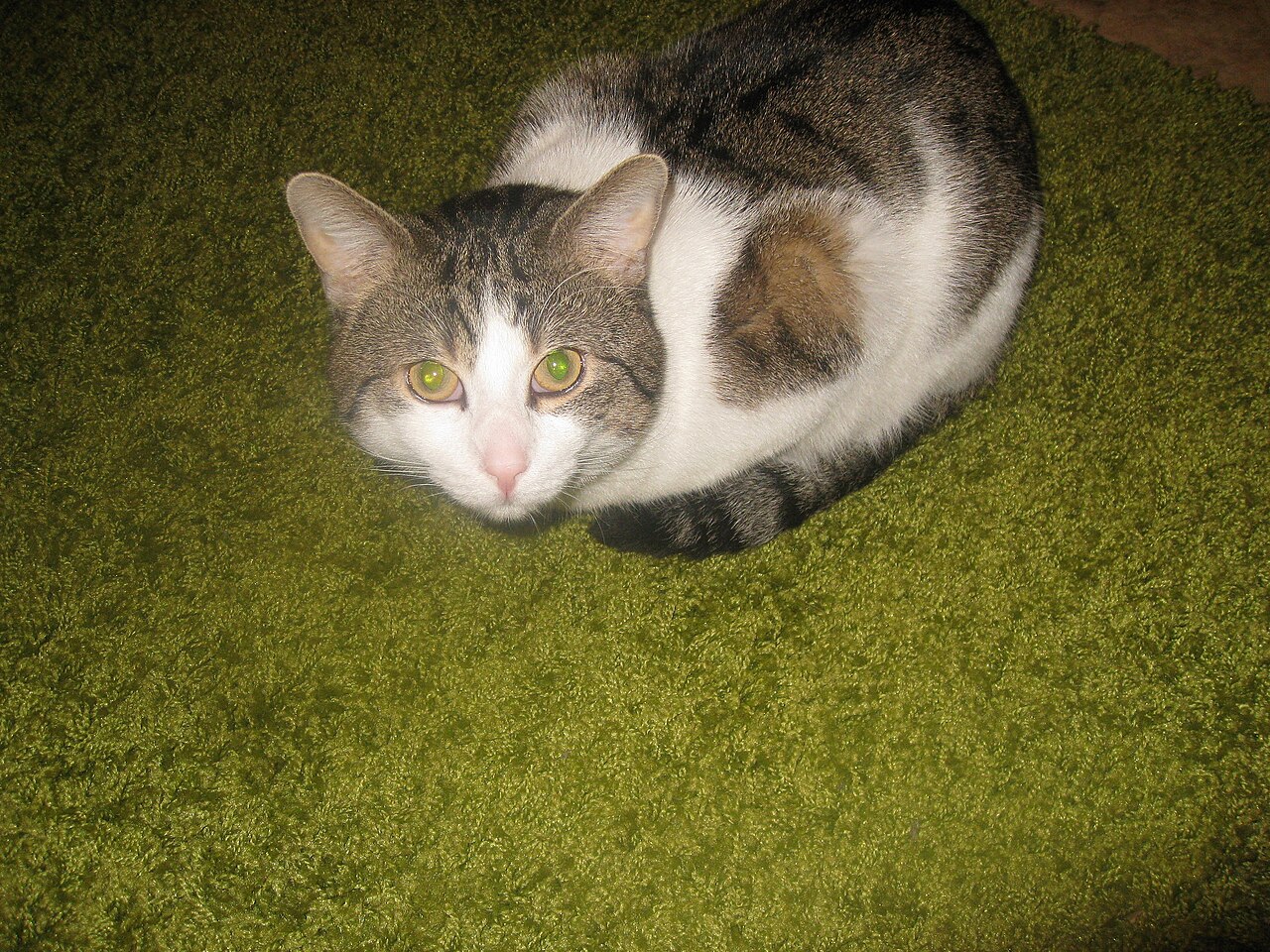
Illustrative cat photograph; not a patient image or depiction of this diagnosis. Photo: Nopple, Wikimedia Commons, CC0 public-domain dedication.
Frequently Asked Questions
Can cats have glaucoma without obvious rubbing?
Yes. Eye pain can be subtle in cats. Changes in appearance, activity, or navigation still deserve attention.
Is an enlarged eye just an age-related change?
Do not assume so. Enlargement or a pupil change can indicate significant disease and should be examined.
Why look for another eye disease?
Feline glaucoma may be secondary to inflammation or another problem. Finding the cause can change treatment and prognosis.
Can human eye drops be used?
Only with a veterinarian’s specific prescription. Different eye diseases require different medicines, and unsuitable drops can cause harm.
What if the eye seems blind but not painful?
Seek an assessment. Comfort cannot be judged from quiet behaviour alone, and the cause and management options still matter.