Need a veterinarian today?
or
Urgent care is for pets who are unwell, in discomfort, are in urgent situation or are not acting like themselves and should be assessed within 24 hours.
Can wait 24-48 hours?
Wellness, routine, or general care is for pets needing vaccines, preventive care, or ongoing monitoring who can safely wait at least 24 hours.
Urgent and ongoing care in Stittsville, Kanata & West Ottawa. Unwell today? Call 343-463-8787, option 1 during clinic hours or check wait times. Stable bookings: option 2. One-off urgent visits welcome.
Osteoarthritis in Cats — Signs, Assessment and Next Steps
Schedule assessment for persistent mobility or grooming changes.
Definition
Osteoarthritis is a painful joint condition that can affect a cat’s mobility and daily routines. Cats often adapt their behaviour rather than displaying a clear limp. Changes in jumping, grooming, or litter-box use can therefore be important clues.
Who This Page Is For
For owners of a cat with the changes described below, or with a suspected or confirmed diagnosis who want to understand assessment and follow-up.
Who This Page Is Not For
This page cannot confirm a diagnosis or replace an examination. If severe signs are present, use the emergency guidance below rather than waiting for an online answer.
Related Urgent Symptoms
What This Can Look Like at Home
Hesitating before jumping or choosing lower resting places
Reduced grooming, especially along the back or hindquarters
Difficulty entering a litter box or reduced play
Why This Can Be Hard to Judge
These changes may also reflect weakness, neurologic illness, urinary disease, or other pain. The veterinarian considers the whole cat rather than assuming every older cat with a behaviour change has arthritis.
The Improvement Trap
A cat completing one jump does not show that the movement is consistently comfortable. Track normal routines without encouraging risky jumps to test ability.
What Is Easy to Miss at Home
Using several small steps instead of one familiar jump
Discomfort grooming hard-to-reach areas
Irritability during lifting or petting over particular regions
When This Can Be an Emergency
Schedule assessment for persistent mobility or grooming changes. Sudden inability to walk, painful hind-leg weakness, a cold limb, or breathing difficulty is an emergency. Straining without urine also needs immediate care rather than being attributed to difficulty using the box.
Call 343-463-8787, option 1 for urgent or emergency concerns. For stable follow-up or non-urgent questions, call option 2. If immediate care is needed and SKVH cannot be reached or is closed, go to an emergency veterinary hospital; do not wait for a callback or text response.
How Veterinarians Assess This
The veterinarian starts with your pet’s history and examination. Tests are chosen to answer specific questions; not every pet needs every test listed. Findings, options, and estimates are explained before you decide.
Home history or videos and a gentle mobility examination
Pain, body-condition, and muscle assessment
Imaging or additional tests when appropriate for diagnosis and safe treatment selection
Veterinary Differentials - Serious / Must-Rule-Out First
A blood clot or neurologic cause of sudden weakness
A painful injury or other serious mobility problem
Urinary disease mistaken for an access or behaviour issue
These are possibilities considered from the examination, not a prediction that your pet has one of them.
Veterinary Differentials - Common / More Typical
Osteoarthritis
Muscle loss or another chronic condition affecting movement
Another source of pain with similar behaviour changes
The list explains overlapping possibilities; it is not a ranking of the diagnosis for an individual pet.
Safety, Psychology, & Peace of Mind
Care may include easier access to food, resting areas, and litter boxes, appropriate weight management, and veterinary pain treatment. Medication choice accounts for other illness and monitoring needs. Never give a cat a dog’s or human pain prescription without explicit instructions.
For Stittsville, Kanata, and West Ottawa pet owners, SKVH welcomes new clients and one-off urgent visits during clinic hours. Call first so the team can discuss symptoms, appointment options, and the right next step.
Learn about ongoing care and monitoring and urgent care during clinic hours. The team will explain when referral or a different care setting is appropriate.
Further reading: AAHA clinical guidance. This page is general education, not an individual diagnosis or prescription.
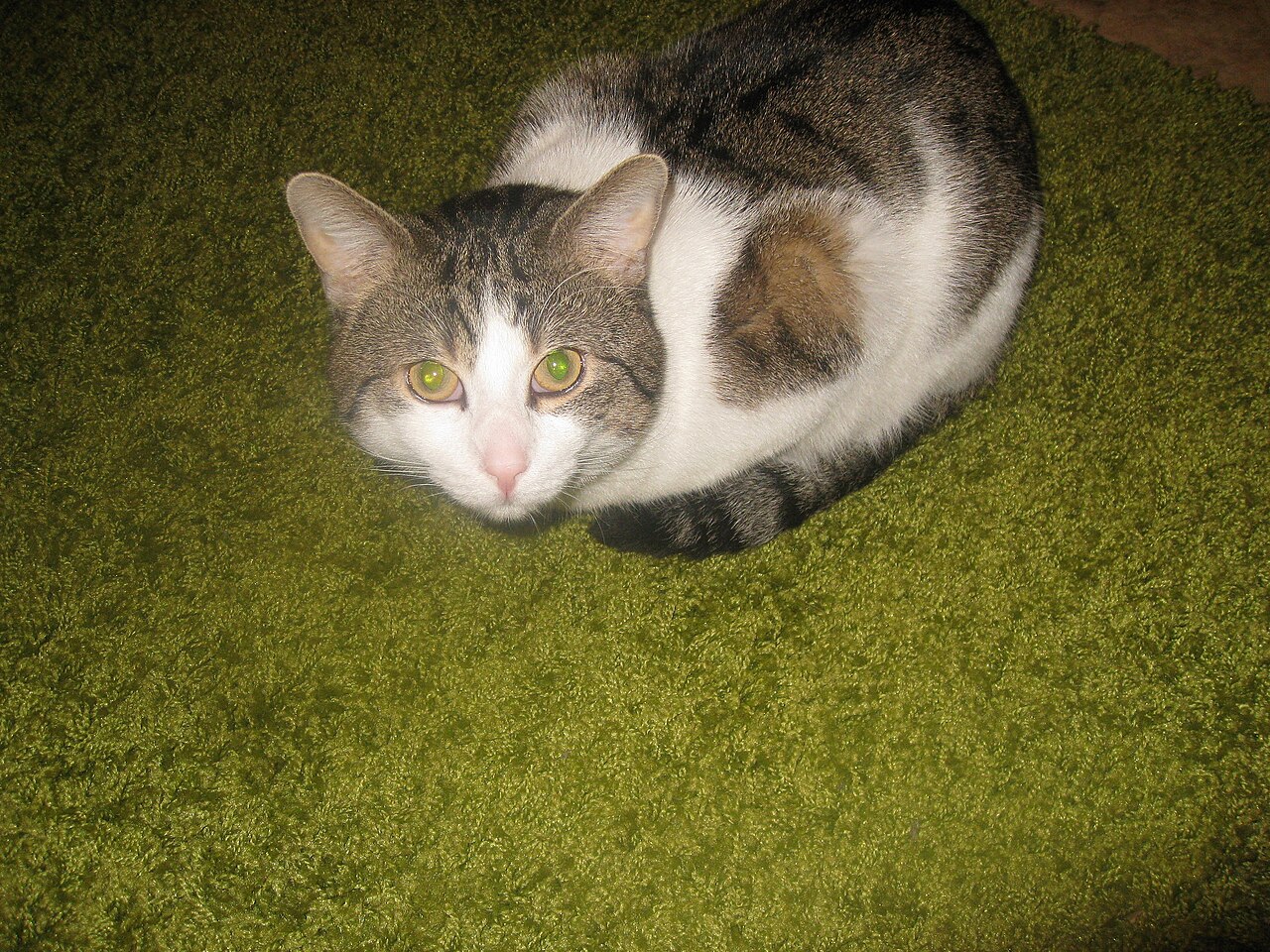
Illustrative cat photograph; not a patient image or depiction of this diagnosis. Photo: Nopple, Wikimedia Commons, CC0 public-domain dedication.
Frequently Asked Questions
Can a cat have arthritis without limping?
Yes. Avoiding jumps, grooming less, or using different resting places may be more obvious than a limp.
Are litter-box accidents always arthritis?
No. Urinary, intestinal, environmental, and other causes need consideration. Repeated straining with little or no urine is an emergency.
What home changes may help?
Discuss stable steps or ramps, accessible resting places, and suitable litter-box entry. Changes should match the cat’s abilities and not create falls.
Can I give my cat a pain medicine prescribed to my dog?
No. Species, dose, formulation, and other disease matter. Some medicines that dogs tolerate are dangerous for cats.
What if my cat suddenly cannot use the back legs?
Seek immediate emergency care. A blood clot or another serious condition is possible; do not assume it is a normal arthritis flare.